

On school courtyards, club facilities and multi-purpose outdoor courts, the single most important long-term decision is made long before the first game is played. The quality of the acrylic resin system, the accuracy of the base preparation and the UV stability of the pigments determine how the surface will perform, look and hold up under years of intensive use.
Why Surface Quality Defines the Playing Experience


Every bounce, every slide stop and every change of direction depends on a consistent, predictable surface. A well-engineered acrylic system delivers controlled ball response, reliable traction and excellent colour retention. When the coating system is under-specified or poorly installed, the surface fades, becomes slippery when wet, develops cracks or loses its professional playing characteristics within a few seasons.
Acrylic performance is not permanent by default. UV degradation, improper base movement, insufficient primer adhesion and progressive wear all reduce the surface’s ability to deliver consistent play. Choosing a high-quality multi-layer acrylic system from the start is the most reliable way to keep both performance and appearance stable throughout the court’s service life.
Understanding Key Performance Requirements

Modern acrylic courts are judged by four core criteria: ball bounce consistency, slip resistance (wet and dry), colour and gloss retention under UV exposure, and long-term structural integrity of the coating system.
| Application Type | Typical Use | Recommended System | Key Performance Target |
|---|---|---|---|
| Hard Court | Basketball, tennis, multi-sport | Acrylic over asphalt / concrete | Consistent ball response & high abrasion resistance |
| Cushioned Acrylic | School & recreational courts | Acrylic + rubber cushion layers | Improved comfort & reduced joint impact |
| Heavy-Duty Outdoor | Public facilities, all-weather use | Multi-layer UV-stable acrylic | Colour retention & wet-slip resistance after ageing |
How Acrylic System Properties Directly Affect Performance


1. Resin Quality and Film Integrity
Premium acrylic resins form a flexible yet tough film that resists cracking caused by thermal movement of the base. Lower-grade or heavily filled systems become brittle faster, leading to peeling, chalking and loss of playing characteristics.
2. Pigment and UV Resistance
Inorganic, UV-stable pigments combined with high-quality acrylic binders keep colours vivid for many years. Cheap organic pigments fade rapidly under tropical or high-UV conditions, making the court look aged and reducing visual clarity of line markings.
3. Layer Build-up and Base Preparation
A correct system usually includes primer, filler/smoothing coats, colour coats and a final wear or sealer layer. Inadequate base preparation or incorrect layer thickness is one of the most common reasons acrylic courts fail within a few years of installation.
School, Club and Multi-Purpose Court Applications
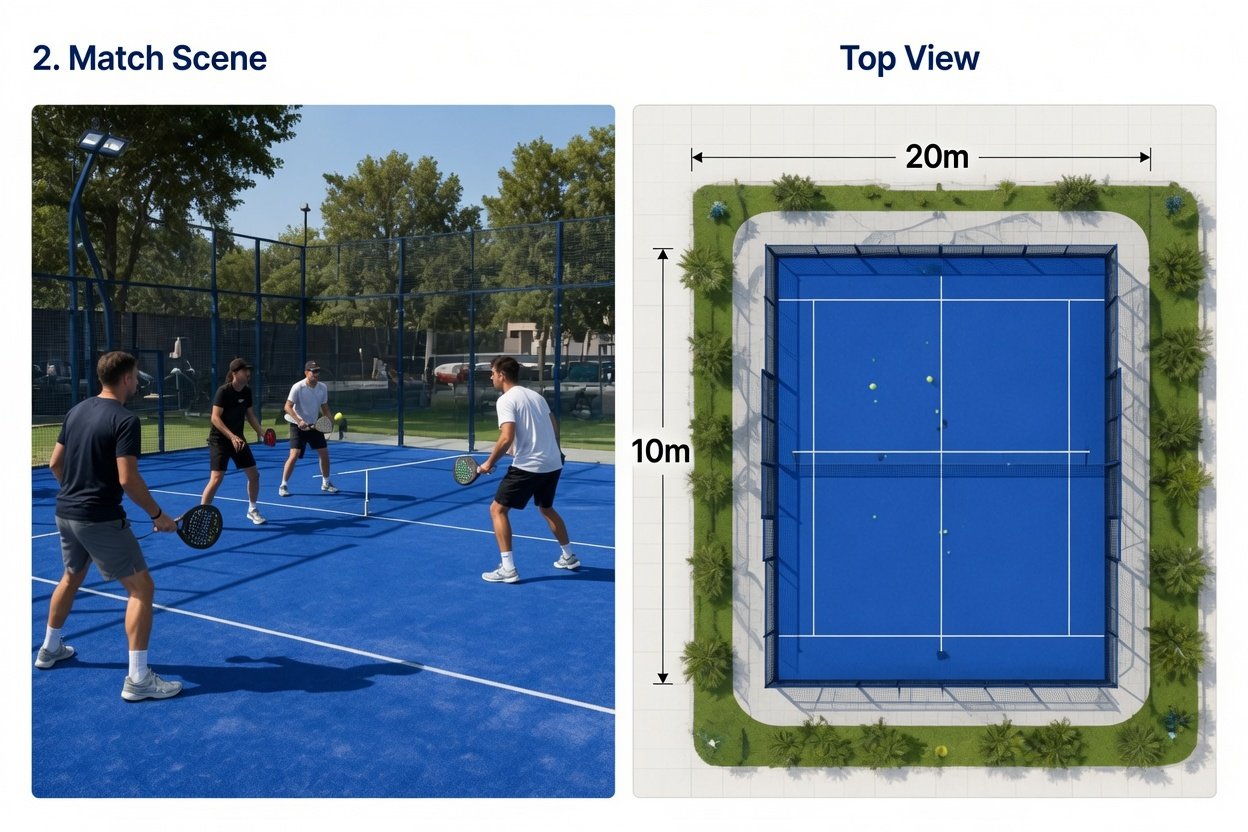
Modern outdoor courts serve multiple functions: competitive basketball and tennis, recreational play, PE classes and community sports. A single high-quality acrylic system can support all these uses when correctly specified and installed.
- Consistent ball response: Predictable bounce and speed that support both training and competitive play.
- Colour zoning & line marking: High-contrast colours improve court readability while maintaining uniform surface performance.
- All-weather durability: Proper drainage detailing and UV-stable coatings keep the court playable after rain and under strong sunlight.
- Low maintenance edges: Correct containment and joint detailing prevent water ingress and edge lifting that shorten service life.
Specification Checklist for Durable Acrylic Courts
Before approving any school, club or public acrylic court project, confirm the following:
- Complete multi-layer acrylic system (primer + filler + colour coats + wear layer)
- UV-stable pigments and resins with accelerated ageing test data
- Documented wet and dry slip-resistance values
- Compatible base (asphalt or concrete) preparation and primer requirements
- Recommended total dry-film thickness for the intended use intensity
- Colour retention and gloss retention data under UV exposure
- Clear maintenance guidelines and expected service life under local climate conditions
Performance Is Built into the System, Not Added Later
Long-term playing quality on acrylic courts is determined primarily by the quality of the acrylic resin system, the accuracy of base preparation and layer application, and the UV stability of the pigments. Choosing a complete, high-grade multi-layer acrylic system gives the court the best chance of maintaining professional performance and appearance throughout its intended service life.
Facility managers and school administrators who treat acrylic surfacing as a performance specification rather than a low-cost commodity consistently achieve better playing conditions and lower lifecycle costs.
For technical data sheets, system recommendations or project-specific advice, visit jflysports.com/contact-us.
Build a Court That Performs for Years
Our professional acrylic court systems are engineered for consistent ball response, excellent colour retention and reliable all-weather performance — ideal for schools, clubs, residential compounds and multi-purpose outdoor sports facilities.
Request Technical Data & Quotation
View Full Product Range →