

A gym mat is far more than just something you put on the floor. It directly affects joint protection, movement stability, slip resistance, and long-term durability. A mat with poor material, insufficient thickness, or weak grip can reduce the effectiveness of squats, planks, yoga, or strength training — and even increase injury risk. Choosing the right mat is one of the most important steps for protecting your body and improving training quality.
What Is a Gym Mat?

A gym mat (also called a fitness mat, exercise mat, or training mat) is a cushioning and protective surface designed for indoor and outdoor workouts, strength training, yoga, Pilates, HIIT, and more. Through the right combination of thickness, density, and surface texture, it provides shock absorption, anti-slip performance, support, and floor protection.
Common materials include TPE, natural rubber, NBR, PVC, and EVA. These materials differ significantly in eco-friendliness, resilience, odor, durability, and price — all of which determine the overall experience and lifespan of the mat.
Why Mat Quality Matters More Than You Think
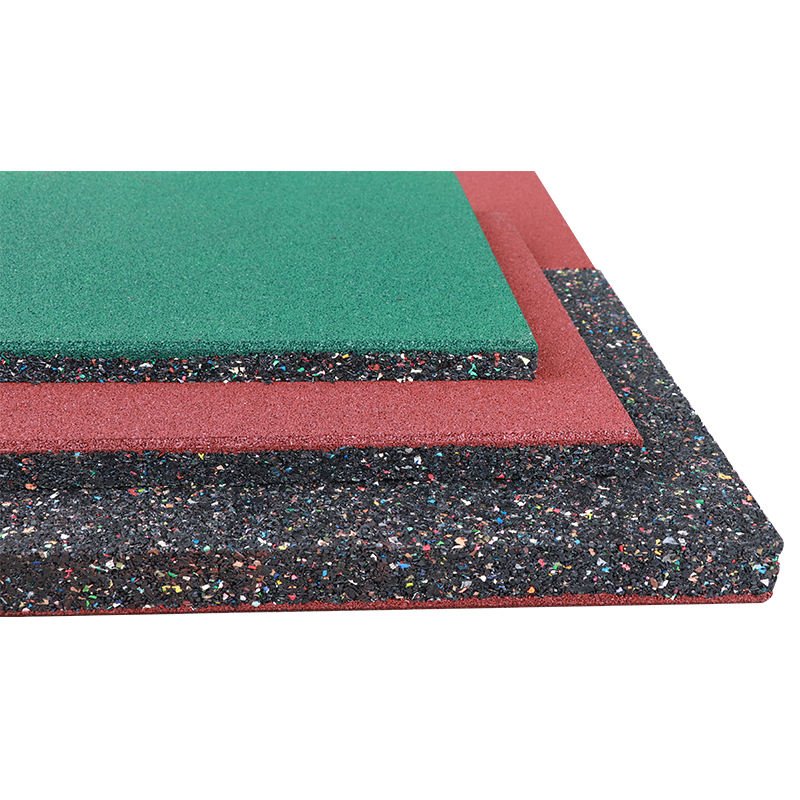
Many people focus only on price and appearance, overlooking actual performance. Common problems with low-quality mats include:
- Insufficient cushioning that puts prolonged pressure on knees, wrists, and tailbone
- Slippery or pilling surfaces that make movements unstable
- Noticeable thinning, deformation, or cracking after just a few weeks
- Strong chemical odors that affect health during long sessions
- Difficulty cleaning and higher risk of bacterial growth
Key Performance Requirements for a High-Quality Gym Mat
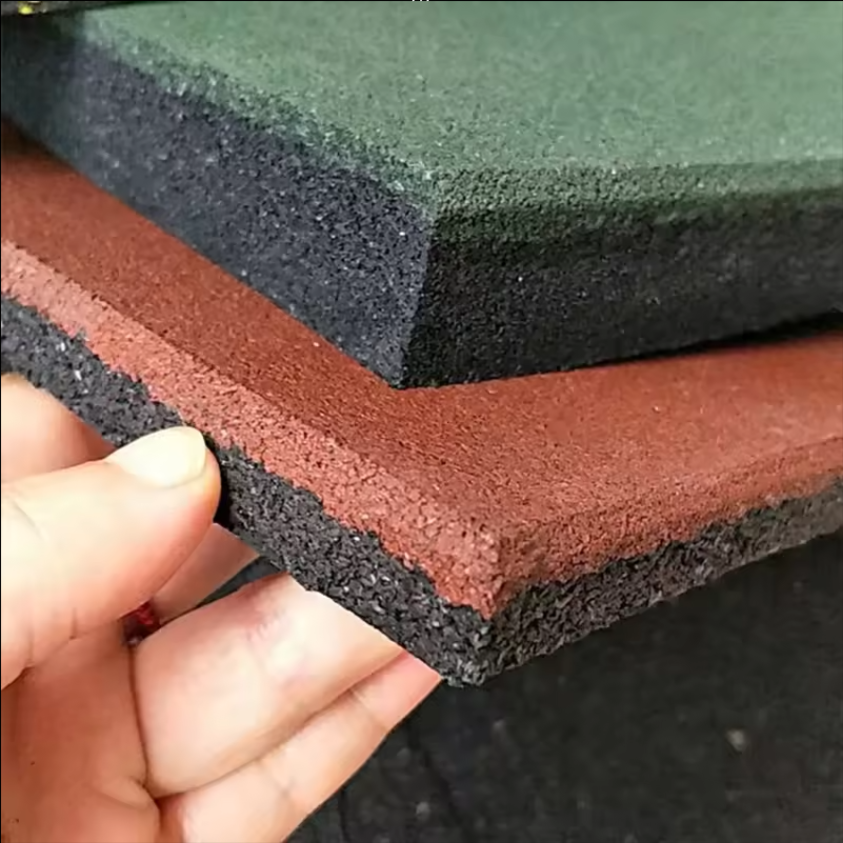
A truly effective mat for gym and home training should meet these essential criteria:
- Balanced cushioning and support — protects joints without being so soft that stability is lost
- Excellent anti-slip performance — reliable grip on both top and bottom surfaces, even when sweaty
- Proper density and resilience — resists collapsing or permanent deformation over time
- Eco-friendly with low odor — passes relevant safety certifications and minimizes harmful emissions
- Easy to clean and durable — resists sweat and abrasion for simple daily maintenance
- Appropriate size and thickness — matches different training types and user body sizes
Comparison of Common Gym Mat Materials
| Material | Characteristics | Best For |
|---|---|---|
| TPE (Thermoplastic Elastomer) | Eco-friendly, lightweight, good resilience, low odor | Yoga, Pilates, home multi-purpose training |
| Natural Rubber | Exceptional grip, highly durable, excellent cushioning | High-intensity training, professional yoga, high-slip-resistance needs |
| NBR (Nitrile Rubber) | Affordable, decent cushioning, average durability and eco-profile | Beginner fitness, light training |
| PVC | Inexpensive and waterproof, but stronger odor and lower eco-friendliness | Temporary use or tight budgets |
| EVA | Lightweight and cheap, but weaker support and durability | Children’s activities or light stretching |
Recommended Thickness & Key Specifications
Different types of training require different mat thicknesses. Too thin offers insufficient protection; too thick reduces stability.
Recommended for yoga, Pilates, and core work
Ideal for strength training, HIIT, and joint protection
Key factor for long-term resistance to collapse
Usage & Maintenance Details Often Overlooked
Even a high-quality mat can have a shortened lifespan if used or cared for incorrectly:
- Avoid placing it directly on rough or dirty surfaces
- Wipe away sweat after each session and clean thoroughly on a regular basis
- Store without prolonged folding pressure on the same area
- Keep away from direct sunlight and high heat sources
- Choose products with anti-slip bottom textures to reduce sliding risk
Many long-term trainees report that switching to a mat with the right thickness and strong anti-slip performance significantly reduces knee and wrist discomfort while improving movement quality. Treating the mat as proper training equipment rather than a disposable item leads to a much better long-term experience.
The Right Mat Gives Your Body Extra Protection
The true value of a gym mat lies not in how it looks, but in whether it consistently delivers cushioning, grip, and support during every workout. Material determines eco-friendliness and durability, thickness balances protection and stability, and density governs long-term performance.
Allocate your budget toward the performance features that actually matter, rather than focusing only on price or marketing claims. That’s how you find a mat that supports safe, comfortable training for years to come.
Looking for the Right Gym Mat?
Choosing the correct material and thickness based on your training style, body type, and budget makes every session more comfortable and safer. Need recommendations for yoga, strength, or mixed training? We’re here to help.