

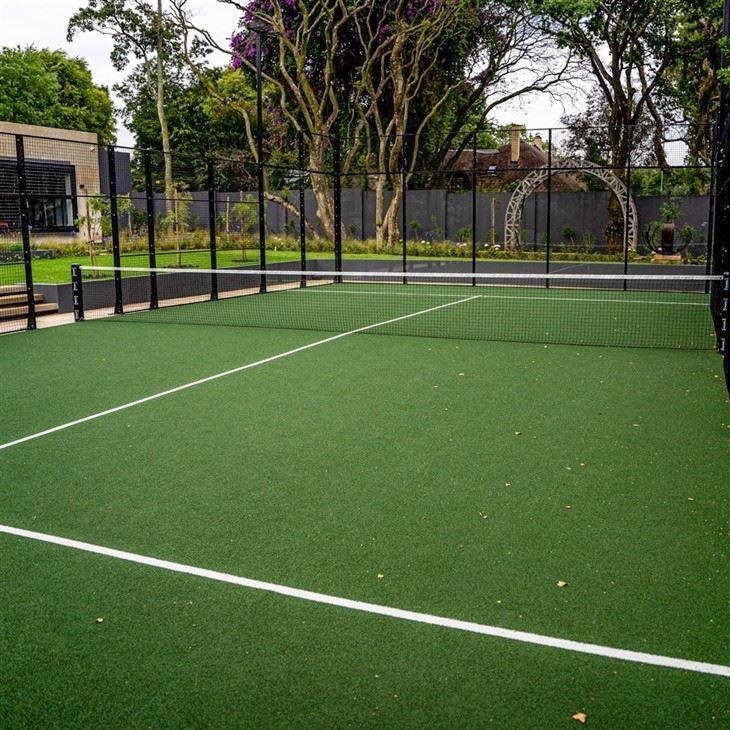
Cricket facility procurement is a small but consistent market — and most of the buyers in it are making the same three mistakes when they source rubber flooring. This guide is written for importers, facility contractors, and procurement managers who want to get the specification right the first time, understand what the certifications actually mean, and source at a price that makes the project viable.
Per m² FOB Asia
20mm EPDM tiles
Typical lead time
Asia to Europe / UK
Key certifications
for child-use areas
For the complete EPDM interlocking tile buyer’s guide, see our EPDM Interlocking Rubber Tiles Complete Buyer’s Guide. For the cricket ground flooring overview, see our Cricket Ground Flooring Solutions guide.
Who Is Buying EPDM Rubber Tiles for Cricket Facilities?
Before getting into specification and sourcing, it helps to understand the buyer landscape — because the procurement decision varies significantly depending on who is making it.
| Buyer Type | Typical Project | Volume | Key Priority | Certification Needed |
|---|---|---|---|---|
| Cricket club facility manager | Practice net floors, changing rooms | 50–300m² | Value for money, DIY install | PAH + REACH |
| Sports facility contractor | Multi-ground refurbishment programmes | 500–3,000m² | Price, lead time, documentation | PAH + REACH + EN 1177 (if juniors) |
| Local authority / council | Community cricket facilities | 200–800m² | Compliance, public liability | EN 1177 + PAH + REACH + RoHS |
| School / academy | Junior cricket nets, multi-use areas | 100–500m² | Child safety, budget approval | EN 1177 + PAH per batch + REACH |
| Importer / distributor | Stocking for regional resale | 1,000m²+ | FOB price, color range, reorder consistency | Full documentation set |
Understanding which category your end buyer falls into determines everything downstream — the certification requirements, the acceptable price point, the installation support they will need, and the lead time they can work with.
The Three Specification Zones in a Cricket Facility
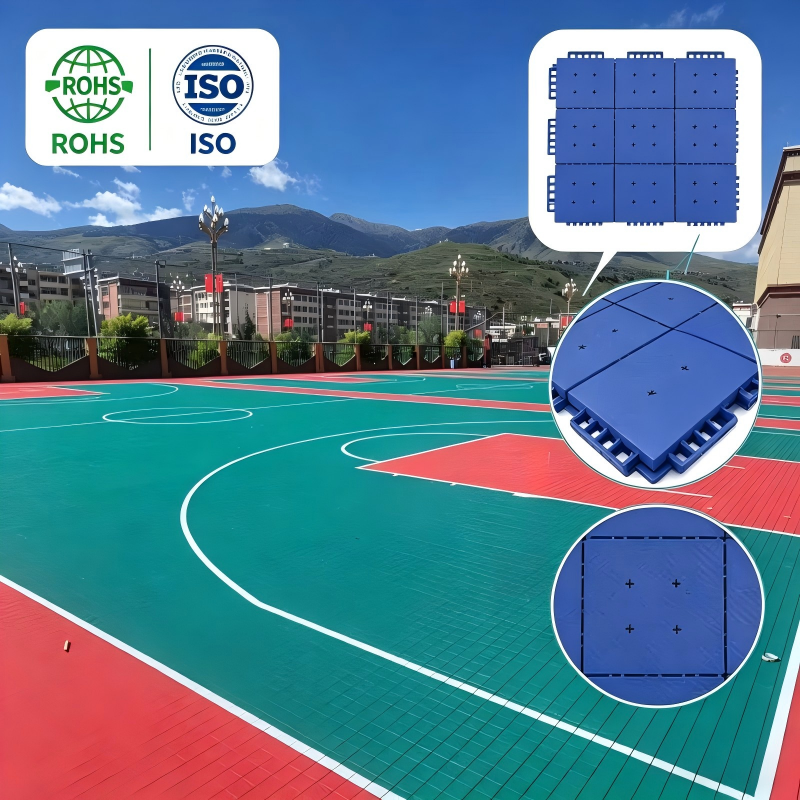
Cricket facilities require rubber flooring in three distinct zones, each with different thickness and certification requirements. Bundling them into a single specification — which many first-time buyers do — results in either over-specification (paying for EN 1177 playground certification for a changing room that doesn’t need it) or under-specification (using uncertified tiles in a junior area that legally requires them).
Certifications: What Cricket Facility Buyers Actually Need
Certification requirements in cricket facility procurement are frequently misunderstood in two directions — buyers either demand certifications that aren’t required for their application, or overlook ones that are legally mandatory. Here is the practical breakdown.
PAH Testing (ZEK 01.4-08) — Required for All Skin-Contact Rubber Surfaces
PAH (Polycyclic Aromatic Hydrocarbon) testing verifies that the rubber material does not contain carcinogenic compounds at levels harmful to human skin contact. It is required for any rubber surface that people will directly contact — which means every zone in a cricket facility. The test report must be color-specific (a report for green tiles does not cover grey tiles) and must come from an ISO/IEC 17025 accredited laboratory.
REACH SVHC Declaration — Required for EU Market Entry
REACH compliance confirms no Substances of Very High Concern are present above EU threshold limits. Mandatory for any product entering the European market. Request a current Declaration of Conformity — documents older than 18 months may not reflect the latest SVHC candidate list updates.
EN 1177 — Only Required Where Children May Fall from Equipment
EN 1177 is a playground impact attenuation standard. It is mandatory for surfaces beneath any play equipment where children could fall — junior nets with fixed bowling machines at platform height, playground areas adjacent to cricket facilities, and any dedicated children’s play zones. It is not required for adult practice net floors, changing rooms, boundary paths, or general spectator areas — even if children use those areas.
Sourcing from Asia: What the Numbers Look Like
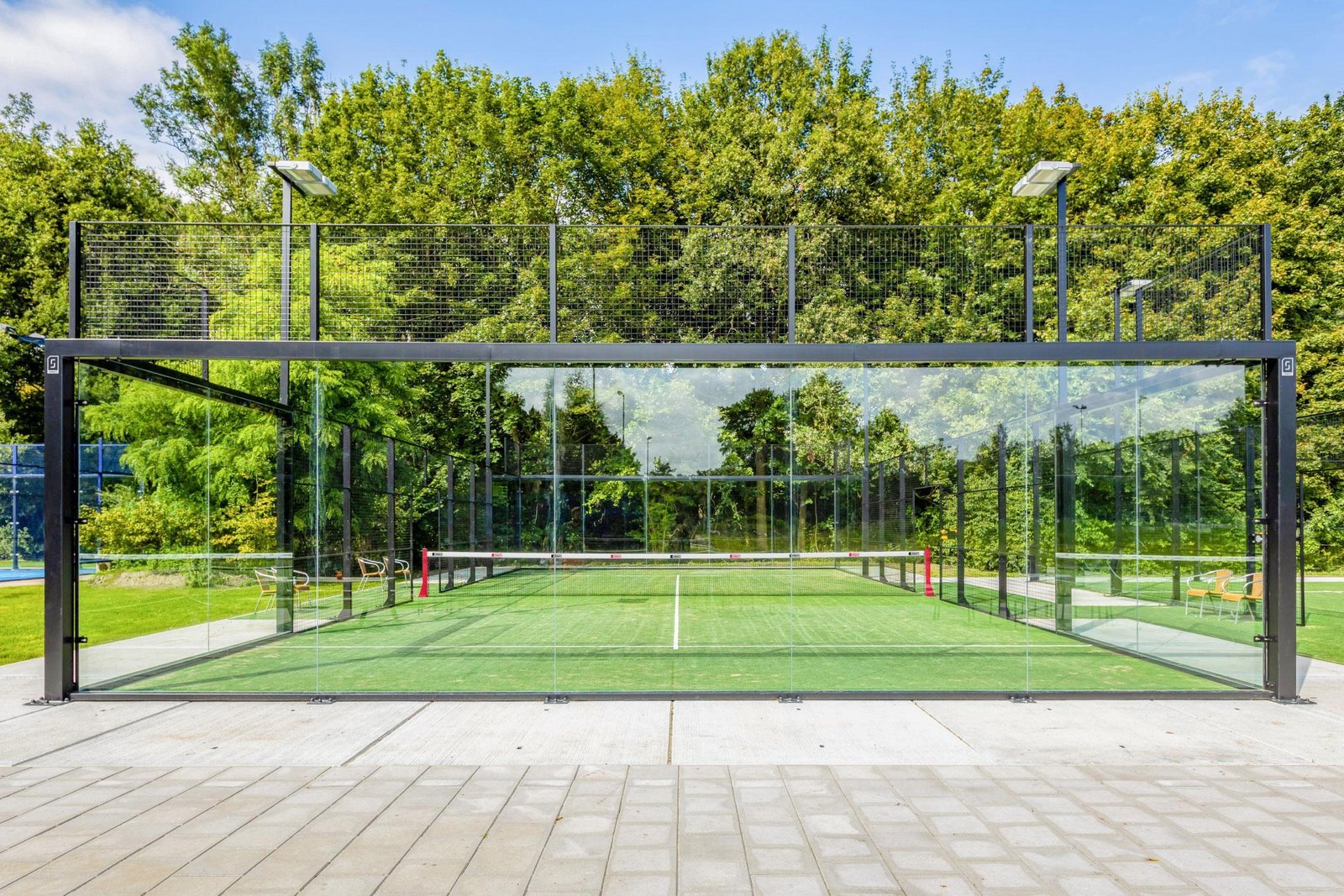
Net Floor (20mm)
$18–$28
per m² FOB Asia
- Standard dark green or terracotta
- PAH + REACH included
- Freight to UK/Europe: +20–25%
- 200m² net floor: ~$4,300–$8,400 landed
- MOQ: 50–100m² per color
Pavilion Floor (15mm)
$14–$20
per m² FOB Asia
- Dark grey / slate standard
- PAH + REACH included
- Freight to UK/Europe: +20–25%
- 80m² changing room: ~$1,350–$2,000 landed
- MOQ: 50m² per color
EN 1177 Tiles (40mm)
$34–$50
per m² FOB Asia
- EN 1177 CFH certified
- PAH per batch + REACH
- Freight to UK/Europe: +20–25%
- 60m² junior zone: ~$2,450–$3,750 landed
- MOQ: 100m² per color
The Procurement Checklist for Cricket Facility Orders
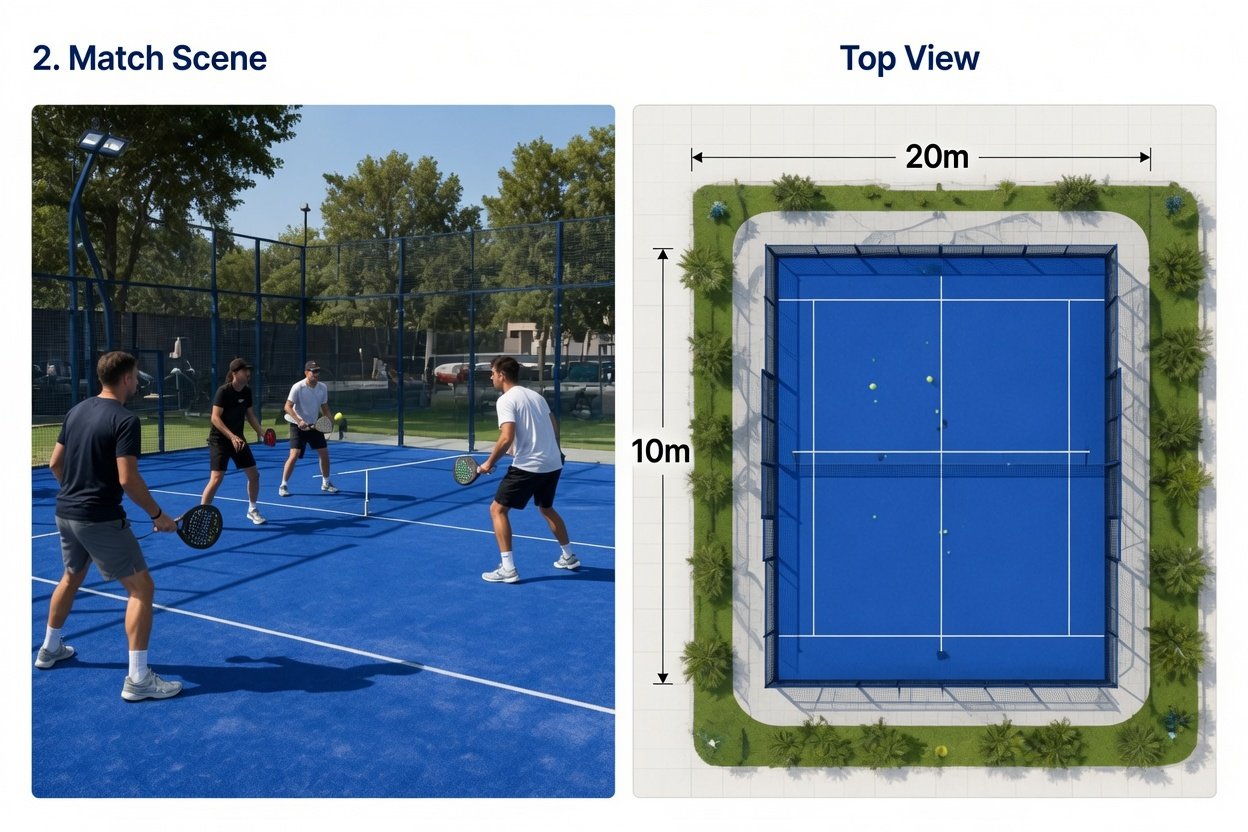
- Zone breakdown before anything else. Calculate m² per zone per thickness per color before contacting any supplier. A 400m² cricket facility might break down to: 200m² net floor (20mm green), 80m² changing room (15mm grey), 60m² junior area (40mm green EN 1177), 60m² boundary path (20mm green). Each variant has its own MOQ and certification requirement.
- Request certifications before price negotiation. Any supplier who cannot provide PAH reports, REACH declarations, and EN 1177 documentation (where required) within 48 hours does not have the documentation infrastructure to support a compliant facility project. Disqualify before spending time on price.
- Verify the laboratory accreditation independently. Go to the national accreditation body website — UKAS (UK), DAkkS (Germany), CNAS (China) — and confirm the issuing laboratory’s ISO/IEC 17025 status is active. A certificate from an unaccredited lab has no legal standing.
- Confirm edge strip connector compatibility. Request edge ramp strip samples alongside tile samples and physically verify the connector profile fits the tile edge. Mismatched profiles are common when tiles and accessories are sourced from different production lines — and the problem cannot be corrected after installation.
- Order all zones in one shipment. Consolidating net floor tiles, changing room tiles, and junior zone tiles into a single FCL or LCL shipment reduces freight cost and guarantees color batch consistency across zones. Split orders risk visible color variation between deliveries.
- Add 10% spare tiles per color. Store from the same batch. Cricket facilities have long replacement cycles — if a tile is damaged three years after installation, the only reliable color match is your own spare stock. Reordering from a different batch will produce a visible color difference.
- Specify payment terms in writing. Standard first-order terms from Asian manufacturers: 30% deposit on order confirmation, 70% balance against Bill of Lading copy. Never pay 100% advance to an unverified supplier. After two or three successful orders, better terms are usually negotiable.
Lead Time Planning for Cricket Facility Projects
| Stage | Duration | Notes |
|---|---|---|
| Sample request to receipt | 7–14 days | DHL/FedEx express from Asia — request tracking number at dispatch |
| Sample evaluation & supplier decision | 5–10 days | Allow time to test connections, check dimensions, verify documentation |
| Order confirmation to production complete | 10–20 days | Standard colors faster; custom colors add 2–4 weeks |
| Production to port | 3–5 days | Factory to export port — confirm container booking in advance |
| Ocean transit (Asia to UK/Europe) | 25–35 days | FCL faster than LCL; confirm routing with freight forwarder |
| Customs clearance & inland delivery | 5–10 days | Allow extra time for first-time import — documentation checks take longer |
| Total: order to site | 8–12 weeks | Plan with 12-week buffer for first-time imports |
What Experienced Cricket Facility Buyers Do Differently
They zone their specification before approaching any supplier. They verify documentation before discussing price. They consolidate all zones into one shipment. They order 10% spare stock. And they build 12 weeks into their project timeline for the first import.
None of these are complicated. But each one eliminates a category of procurement failure that we see regularly — over-specified junior zones that blew the budget, mismatched edge strips that couldn’t be installed, split orders with visible color variation, or facilities that couldn’t open on time because the tiles arrived during the playing season.
Cricket facility rubber flooring is a straightforward procurement category once the zone breakdown and certification logic are understood. The complexity comes entirely from treating it as a single product rather than a zone-specific system.
For full specification support, pricing, and documentation: jflysports.com/contact-us
Ready to Source EPDM Tiles for a Cricket Facility Project?
We supply virgin EPDM interlocking tiles for all cricket facility zones — net floors, changing rooms, junior areas, and boundary paths. Full PAH, REACH, EN 1177, and material composition documentation. Competitive FOB pricing from 50m² per color. Free samples with full documentation pack.