

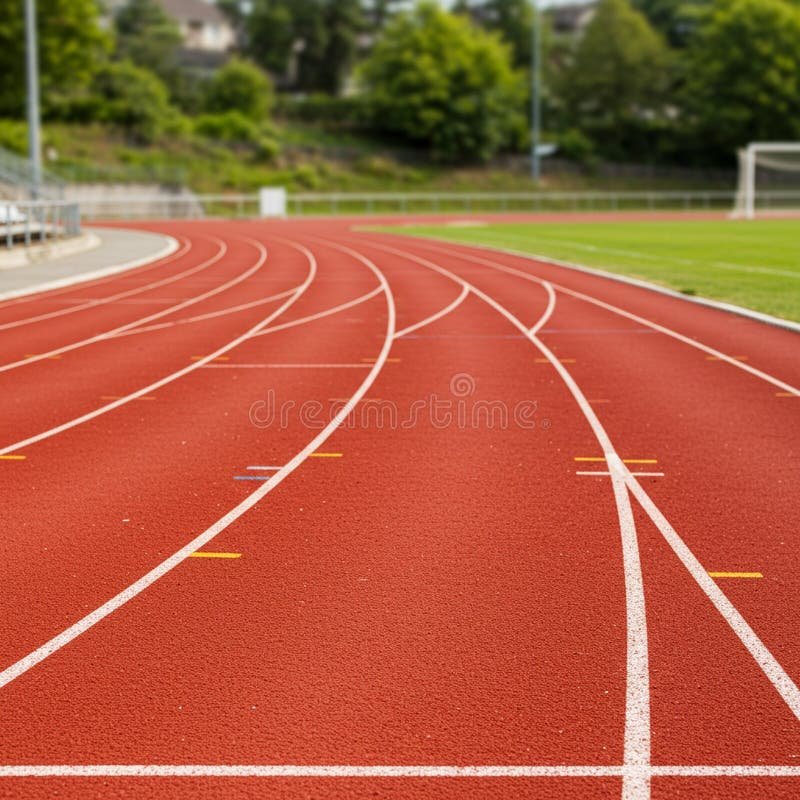
For running tracks, the best rubber granules are EPDM granules (1–3 mm) for the wear layer, combined with an SBR rubber base. EPDM delivers the color stability, elasticity, and IAAF/World Athletics compliance that competitive tracks demand — while SBR provides the cost-effective cushioning sub-base. This two-layer system is the global standard for certified athletic tracks.
Recommended EPDM wear layer thickness for competition tracks
Typical lifespan of EPDM running track surface
Total track depth (SBR base + EPDM top layer system)
Why EPDM Granules Are the Best Choice for Running Tracks
Running tracks have two non-negotiable requirements: consistent energy return for athlete performance, and long-term color and surface integrity under intense UV exposure and foot traffic. EPDM granules meet both requirements better than any alternative. Here is the evidence-based comparison across materials used in track construction:
| Granule Type | Best Use | UV Stability | Elasticity | IAAF Compliant | Typical Price (USD/kg) |
|---|---|---|---|---|---|
| EPDM (virgin) | Top / wear layer | ✦ Excellent | ✦ High | ✦ Yes | $1.20–$2.50 |
| SBR (recycled) | Base / cushion layer | Poor (fades black) | Medium | Base use only | $0.30–$0.80 |
| TPV granules | Premium wear layer | ✦ Excellent | ✦ Very high | ✦ Yes | $2.80–$4.50 |
| PU spray coat | Thin top finish only | Good | Low | With base system | $0.80–$1.50 |
| EPDM (recycled) | Base or economy wear | Moderate | Medium | No (color variation) | $0.60–$1.10 |
For most school tracks, community athletics facilities, and municipal projects, virgin EPDM granules for the wear layer over an SBR base represents the optimal balance of performance, certification compliance, and total cost.
Which Rubber Granules to Use by Track Type
Not all running tracks have the same requirements. Competition-grade tracks certified by World Athletics (IAAF) demand different specifications than school jogging paths or fitness park circuits. The following guide maps granule specifications to each track category.
Use 100% virgin EPDM granules (1–2 mm) as the wear layer at 13 mm thickness. The base must be SBR at 35 mm. Total system must pass IAAF performance requirements: force reduction 35–50%, vertical deformation 0.6–2.5 mm, energy return ≥50%. Only Class 1 certified tracks qualify for international competition.
IAAF Class 1 Certified Required
Virgin EPDM granules 1–3 mm at 10–13 mm wear layer thickness. SBR base at 25–35 mm. Does not require IAAF certification but should meet EN 14877 (synthetic surfaces for outdoor sports areas). Color typically red or blue; custom school colors available with EPDM.
EN 14877 Recommended
EPDM granules 1–3 mm at 8–10 mm wear layer. SBR base optional at 20–25 mm depending on budget. Focus on anti-slip performance and UV color retention over 10+ years. Good candidate for recycled EPDM blend if budget is constrained, since IAAF compliance is not required.
Budget-Flexible Options Available
1–2 mm EPDM granules at 8–10 mm, with aliphatic low-VOC PU binder for enclosed space safety. UV stability is less critical indoors, but color vibrancy and surface hardness (Shore A 55–65) remain important. No SBR base needed if installed over concrete with good moisture barrier.
Low-VOC Binder Required
EPDM vs SBR for Running Tracks: Full Comparison
The most common question from track buyers is whether to use EPDM or SBR for the wear surface. The answer is clear: EPDM is always recommended for the top layer. SBR has a role only as the base cushion beneath. Here is why:
Virgin synthetic rubber with saturated polymer backbone. Color-stable for 8–12 years. Available in full color range. Non-toxic, REACH and RoHS compliant. Passes IAAF and EN 14877 wear layer requirements. Resilient elasticity maintains consistent energy return for athlete performance.
Best for: Top/wear layer on all track types. Required for any competition or school facility.
Recycled tire rubber. Cost-effective cushioning with good impact absorption. Black color only — not suitable for visible wear surfaces. May contain PAH compounds; not recommended for direct contact layers. Excellent for sub-base where it is covered by EPDM.
Best for: 25–35 mm cushion sub-base beneath EPDM wear layer. Reduces total material cost by 30–40%.
5 Things to Check Before Buying Rubber Granules for a Running Track
Low-cost granules often dilute EPDM with calcium filler. Ask for the material composition certificate. Virgin EPDM at 100% polymer content is ideal for competition tracks. A minimum of 20% EPDM rubber content is acceptable for school and community tracks.
Require SGS, TÜV, or Intertek test reports for the specific batch — not generic catalog claims. Key tests: tensile strength (≥7 MPa), elongation at break (≥300%), UV aging resistance, and chemical composition (REACH, PAH limits).
Use 1–2 mm granules for IAAF competition tracks (tighter surface texture, consistent force reduction). Use 1–3 mm for school and community tracks. Avoid 2–4 mm on running surfaces — the coarser texture reduces spike grip and creates uneven force distribution for runners.
EPDM wear layers require an MDI-based or aliphatic polyurethane binder — not the cheaper TDI binders sometimes used for SBR. Using the wrong binder causes delamination within 2–3 years. The binder ratio for track wear layers is typically 18–20% by weight.
A standard 400 m competition track uses approximately 60,000–70,000 kg of total granules (SBR base + EPDM top). The EPDM top layer represents ~30% of the volume but ~60% of the material cost. Optimize total system cost by using high-quality SBR for the base and premium EPDM for the 13 mm wear surface only.
⚠ Common Mistake to Avoid
Do not use SBR granules as the visible wear layer on a running track. SBR is black-only, contains potential PAH compounds, and cannot achieve IAAF or EN 14877 wear layer compliance. Many low-cost bids substitute full-SBR systems for school tracks — always confirm that the wear layer specification calls for EPDM, not SBR.
Running Track Rubber Granules — FAQ
Source Certified EPDM Granules for Your Running Track
We supply IAAF-compatible EPDM and SBR granules with full certification documentation. Available in standard red, blue, green and custom colors. MOQ from 1,000 kg with international export experience.