

EPDM granules are widely used in outdoor flooring systems where winter performance is critical. Thanks to their excellent low-temperature flexibility, EPDM rubber granules remain elastic and resilient even in harsh cold climates, making them a trusted solution for sports surfaces, playgrounds, and public outdoor areas. In regions where winter brings prolonged freezing temperatures, snow cover, and frequent freeze–thaw cycles, material stability becomes a key factor in surface safety and durability.
Unlike many conventional rubber materials that harden, lose elasticity, or crack in winter, EPDM granules are specifically engineered to withstand extreme temperature fluctuations. Their molecular structure allows them to maintain consistent mechanical performance while preserving surface comfort, impact absorption, and long-term durability throughout the winter season.
Outstanding Low-Temperature Flexibility
One of the most important advantages of EPDM granules is their exceptionally low glass transition temperature (Tg), typically around -55°C. The glass transition temperature defines the point at which a rubber material becomes brittle. Because EPDM has such a low Tg, it remains flexible at temperatures far below normal winter conditions experienced in most outdoor environments.
In real-world applications, EPDM granules demonstrate reliable performance across a wide temperature range. They remain elastic at -20°C, continue functioning without brittleness at -40°C, and effectively resist cracking during repeated freeze–thaw cycles. This ability to retain flexibility ensures stable shock absorption, helping to reduce the risk of injuries on playgrounds and sports surfaces even during cold weather use.
As a result, EPDM granules provide surface integrity and safety during prolonged winter exposure, where other materials may gradually degrade.
Performance at -20°C and -40°C in Real Outdoor Use
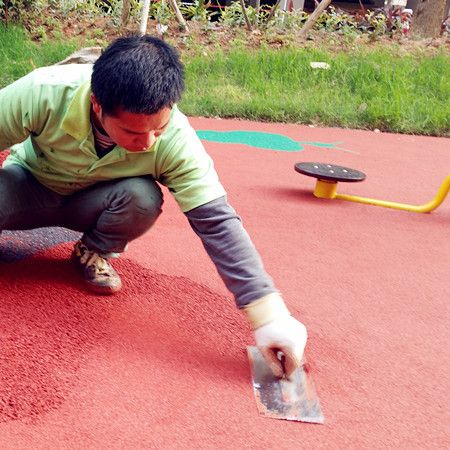
At -20°C, EPDM rubber granules show minimal stiffness change compared to their performance at normal ambient temperatures. This makes them highly suitable for dynamic activities such as running, jumping, and fitness training on outdoor tracks, playgrounds, and recreational flooring systems. The surface remains comfortable underfoot and continues to deliver reliable energy absorption.
At -40°C, EPDM granules still resist impact fracture and surface cracking. Even under sudden loads or foot traffic, the material maintains structural integrity rather than breaking or splintering. This level of cold resistance allows EPDM-based surfaces to be confidently used in cold regions where winter temperatures frequently drop well below freezing.
Brittle failure generally occurs only at temperatures below -50°C, which are rarely encountered in standard outdoor environments. This performance margin provides engineers, contractors, and facility planners with a high level of confidence when specifying EPDM granules for winter projects.
EPDM Granules vs Ordinary Rubber Granules in Winter
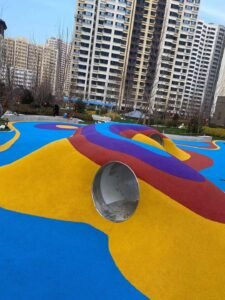
When selecting rubber granules for winter outdoor flooring projects, material choice has a direct impact on long-term performance, safety, and maintenance costs.
EPDM vs SBR Granules
SBR (styrene-butadiene rubber) granules tend to stiffen more quickly in cold conditions due to their higher Tg value. As temperatures drop, SBR surfaces often become harder, reducing elasticity and increasing the risk of cracking. Over time, repeated freeze–thaw cycles can accelerate surface damage, leading to higher maintenance requirements and shorter service life.
EPDM vs Natural Rubber (NR)
Natural rubber performs well at very low temperatures in theory, but in practical cold-weather applications it crystallizes rapidly. This crystallization causes a quick loss of elasticity, especially during prolonged winter exposure. EPDM’s saturated polymer structure avoids this issue, providing more stable and predictable performance in real outdoor conditions.
Overall, EPDM granules deliver a better balance of flexibility, durability, and weather resistance than most ordinary rubber granules used in outdoor flooring systems.
Ideal Winter Applications for EPDM Granules
Thanks to their cold-weather reliability, EPDM granules are widely used in a variety of outdoor environments, including:
-
Outdoor sports surfaces and running tracks
-
Playground safety flooring systems
-
Public fitness zones and pedestrian walkways
-
Recreational areas in cold and temperate climates
In harsh winter environments, EPDM-based surfaces often last 10–20 years longer than PVC flooring or low-grade crumb rubber. This extended service life significantly reduces maintenance frequency, repair costs, and surface replacement expenses over time.
Winter Maintenance Tips for EPDM Rubber Surfaces
Proper winter maintenance helps preserve surface performance and appearance. Recommended practices include using rubber or plastic squeegees for snow removal, avoiding metal tools that may damage the surface, and performing light rinsing when weather conditions permit. These simple steps prevent surface abrasion and extend the lifespan of the flooring system.
Combined with EPDM’s strong resistance to UV radiation and ozone, these maintenance practices ensure reliable year-round performance.
Why Choose EPDM Granules for Cold Climate Projects
EPDM granules offer a proven solution for outdoor flooring in winter conditions by combining excellent low-temperature flexibility, superior resistance to cracking and hardening, long service life in harsh environments, and consistent performance across all seasons.
For contractors, developers, and facility planners, EPDM granules provide both performance confidence and long-term value, making them an ideal choice for cold climate outdoor flooring projects.
