

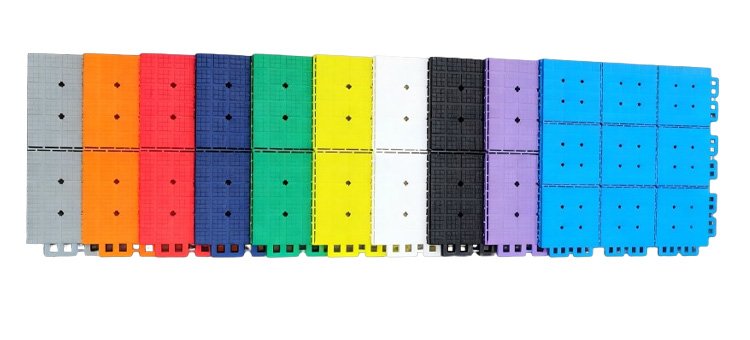
Interlocking sports flooring tiles are the fastest-growing alternative to poured rubber surfaces — offering tool-free installation, easy replacement, and professional-grade performance for gyms, playgrounds, outdoor courts, and fitness parks. This complete buyer’s guide covers everything you need to specify, compare, and purchase the best interlocking sports flooring tiles for your project.
Typical installation time
per 20m² — no tools required
Expected outdoor lifespan
with correct specification
Available thickness range
for different applications
Interlocking sports flooring tiles are modular rubber or polymer panels that connect together without adhesive, tools, or professional installation. Made from recycled rubber, EPDM, or PP/PE polymer, they provide shock absorption, anti-slip performance, and UV resistance for gyms, playgrounds, sports courts, and outdoor fitness areas. The key advantage over poured systems is the ability to install, reconfigure, or replace individual tiles without disrupting the entire surface.
Contents — Jump to Any Section
1. What Are Interlocking Sports Flooring Tiles?

Interlocking sports flooring tiles are modular surface panels engineered for sports, fitness, and recreational environments. Each tile features a precision-engineered edge system — typically a loop-and-tab or tongue-and-groove interlocking mechanism — that allows adjacent tiles to snap together firmly without adhesive, fasteners, or professional installation tools.
The modular format gives interlocking tiles a fundamental advantage over poured-in-place systems: any individual tile can be removed and replaced without disturbing the surrounding surface. This makes them the preferred choice for rental facilities, phased buildouts, temporary installations, and any environment where layout flexibility or easy maintenance is a priority.
Interlocking sports tiles are manufactured from three primary material types — recycled rubber (SBR), virgin EPDM rubber, and thermoplastic polymer (PP/PE) — each suited to different performance requirements and budget levels. Understanding which material is right for your application is the most important specification decision in any interlocking tile project.
How the Interlocking System Works
Most interlocking sports tiles use one of two connection systems:
| Connection Type | How It Works | Best For | Reversible? |
|---|---|---|---|
| Loop & Tab (Puzzle) | Flexible tabs lock into loops on adjacent tiles — snap connection | Gym floors, fitness rooms, light outdoor use | ✅ Fully reversible |
| Tongue & Groove | Rigid tongue slides into groove channel — firm, flat connection | Sports courts, outdoor areas, heavy traffic | ✅ Fully reversible |
| Raised Grid (Drainage) | Open grid base with drainage channels — water flows through | Pool surrounds, wet areas, outdoor courts | ✅ Fully reversible |
| Edge Strip System | Separate ramp edge strips provide bevelled perimeter transition | All systems — professional finish | ✅ Fully reversible |
2. Materials: Rubber vs Polymer vs EPDM Tiles
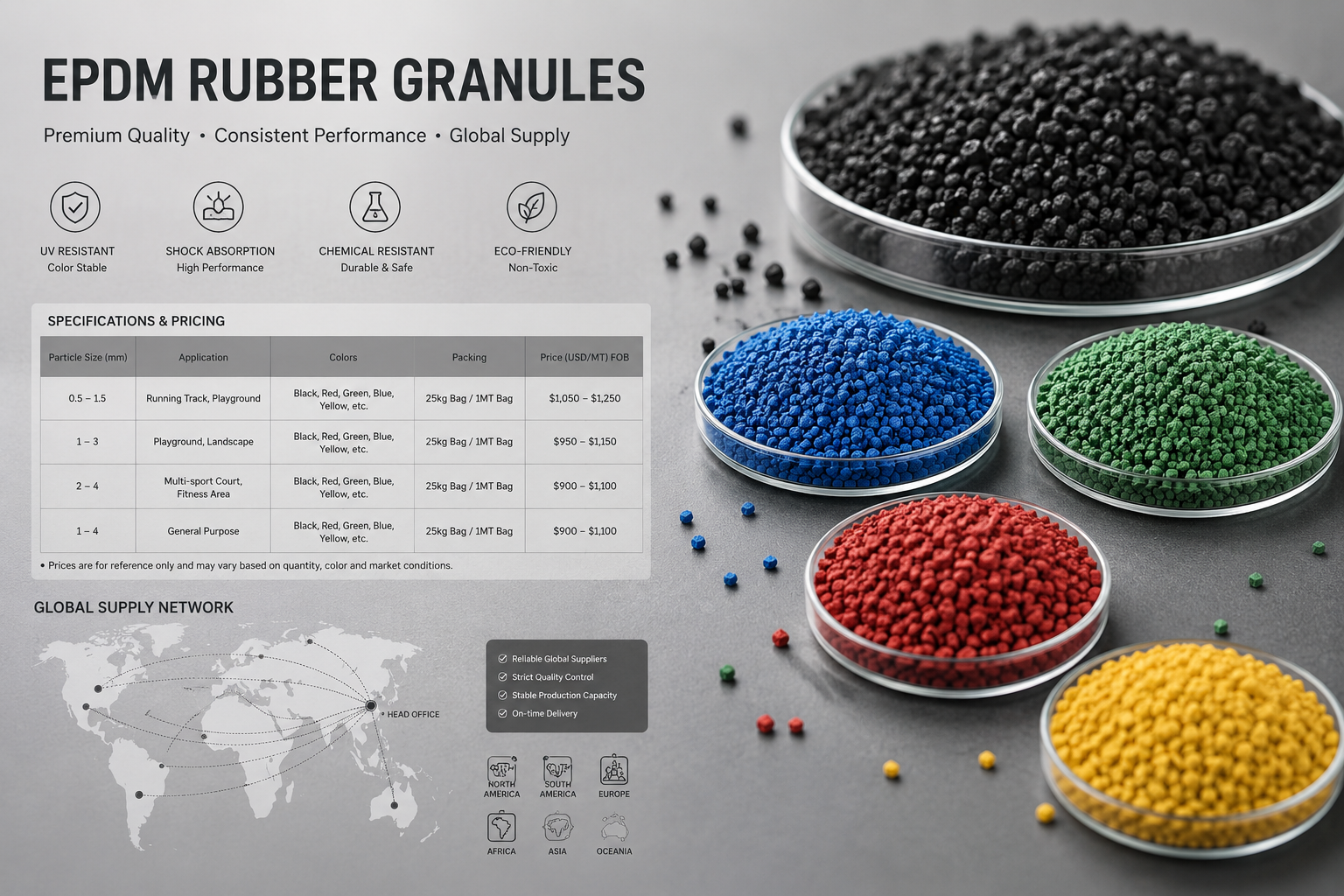
The material determines performance, price, lifespan, and appropriate application. Here is the complete comparison across the three main tile material types.
| Factor | Recycled Rubber (SBR) | Virgin EPDM Rubber | Polymer (PP/PE) |
|---|---|---|---|
| Price Range | $8–$18/m² | $18–$45/m² | $5–$15/m² |
| Shock Absorption | Excellent | Excellent | Good (depends on thickness) |
| UV Resistance | Moderate — may fade | Excellent — 15+ years | Good — stabilised polymer |
| Color Range | Black / dark grey only | 20+ colors available | Wide range of colors |
| Chemical Safety | PAH certification required | PAH + REACH certified (virgin) | Food-grade polymer options |
| Outdoor Durability | Good — 8–12 years | Excellent — 10–18 years | Very good — 10–15 years |
| Surface Texture | Granular, high grip | Smooth to granular | Patterned, consistent |
| Best For | Gyms, weightlifting, garages | Playgrounds, premium gyms, outdoor courts | Sports courts, outdoor areas, wet zones |
| Child Safety (playground) | Verify PAH — not always suitable | ✅ Certified safe when PAH compliant | ✅ Generally safe — verify certification |
For gyms and weight rooms: Recycled rubber (SBR) tiles offer the best value — excellent shock absorption at the lowest cost. For playgrounds and areas with child skin contact: Virgin EPDM tiles are the safest choice — require PAH and REACH certification. For outdoor sports courts and wet areas: Polymer (PP/PE) raised grid tiles provide the best drainage and are the most dimensionally stable in temperature extremes.
3. Key Technical Specifications
When evaluating interlocking sports flooring tiles, request test data for these parameters. The right specification depends on your application — use this table to identify what matters most for your project.
| Parameter | Typical Range | Why It Matters | Critical For |
|---|---|---|---|
| Tile Thickness | 10 / 15 / 20 / 30 / 40 / 50mm | Determines shock absorption and fall protection | Playgrounds, gyms |
| Tile Size | 500×500mm / 1000×1000mm | Affects installation speed and wastage rate | All applications |
| Shore A Hardness | 40–70 Shore A | Surface softness and impact absorption capacity | Gyms, playgrounds |
| Tensile Strength | ≥3.5 MPa (rubber) / ≥20 MPa (polymer) | Resistance to tearing under load | High-traffic areas |
| UV Resistance | ΔE <3 after 500–1,000 hrs QUV | Color retention outdoors | All outdoor applications |
| Slip Resistance | PTV ≥36 (wet) | Safety in wet conditions | Pool surrounds, outdoor courts |
| Critical Fall Height | Up to 3.0m (EN 1177) | Playground safety compliance | Playgrounds only |
| Load Capacity | 500–2,000 kg/m² (static) | Resistance to equipment compression | Gyms, vehicle traffic |
| Temperature Range | −30°C to +80°C | Dimensional stability across climates | Outdoor applications |
| Drainage Rate | Varies by base design | Water clearance speed in wet conditions | Outdoor / pool areas |
4. Main Applications of Interlocking Sports Flooring Tiles
Interlocking tiles serve six primary application categories. Each has different thickness, material, and performance requirements.
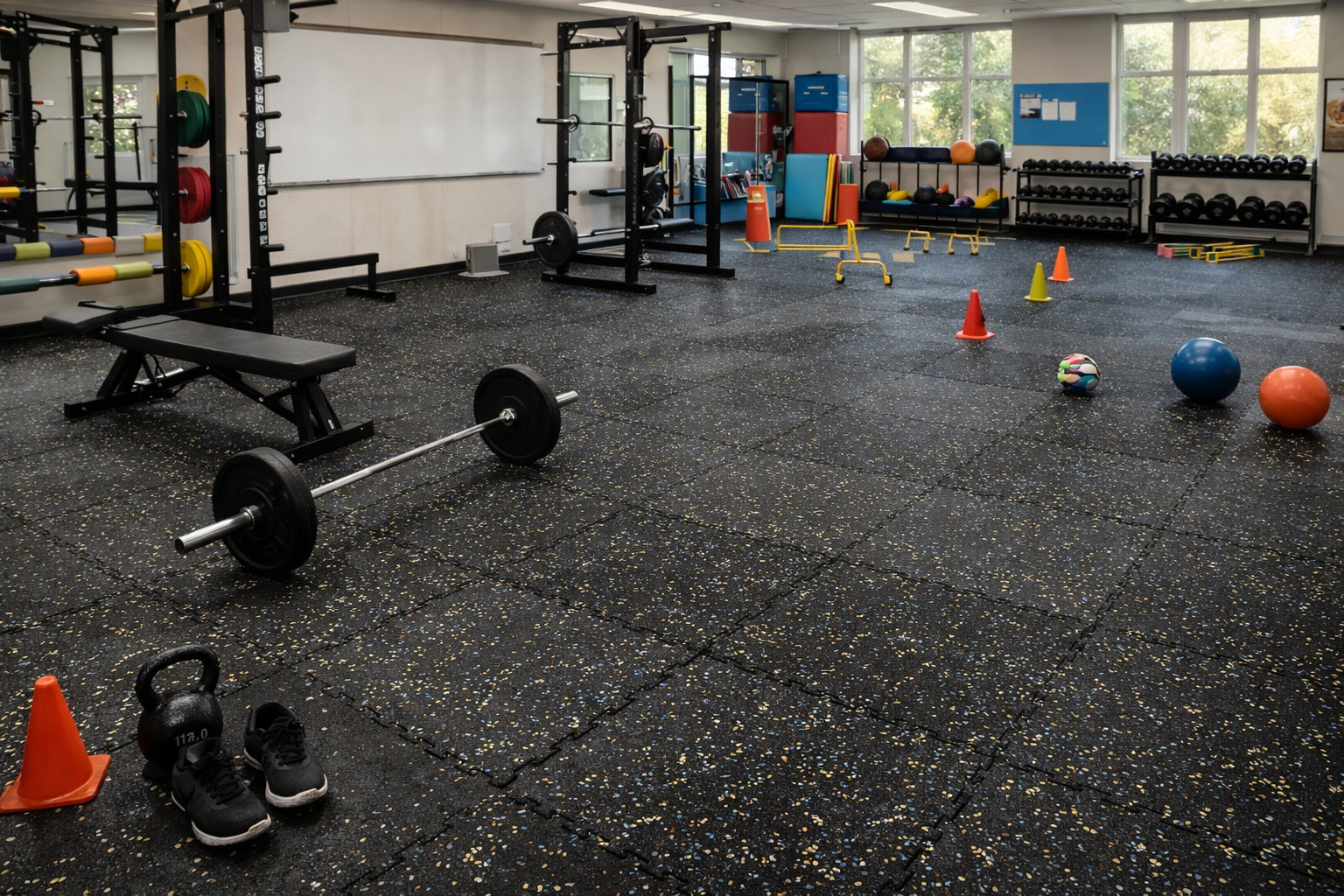
The largest global application for interlocking rubber tiles. Free weight zones, Olympic lifting platforms, and functional fitness areas all benefit from the combination of impact absorption and easy zone reconfiguration. Recommended: 20–40mm recycled rubber SBR tiles for weightlifting areas; 15mm for cardio and stretching zones. Black and dark grey are the most specified colors for commercial gyms.
Most Common Application
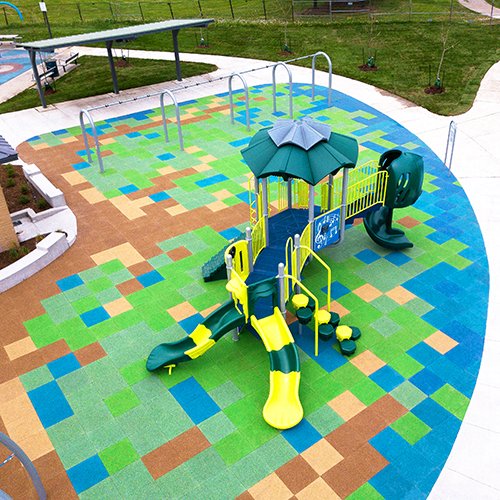
Interlocking rubber tiles are a popular alternative to wet-pour poured systems for playgrounds — particularly for retrofit projects where disruption must be minimised. Recommended: 40–50mm virgin EPDM or certified rubber tiles with EN 1177 compliance for the required Critical Fall Height. PAH certification mandatory for any surface with children’s direct skin contact.
EN 1177 Required
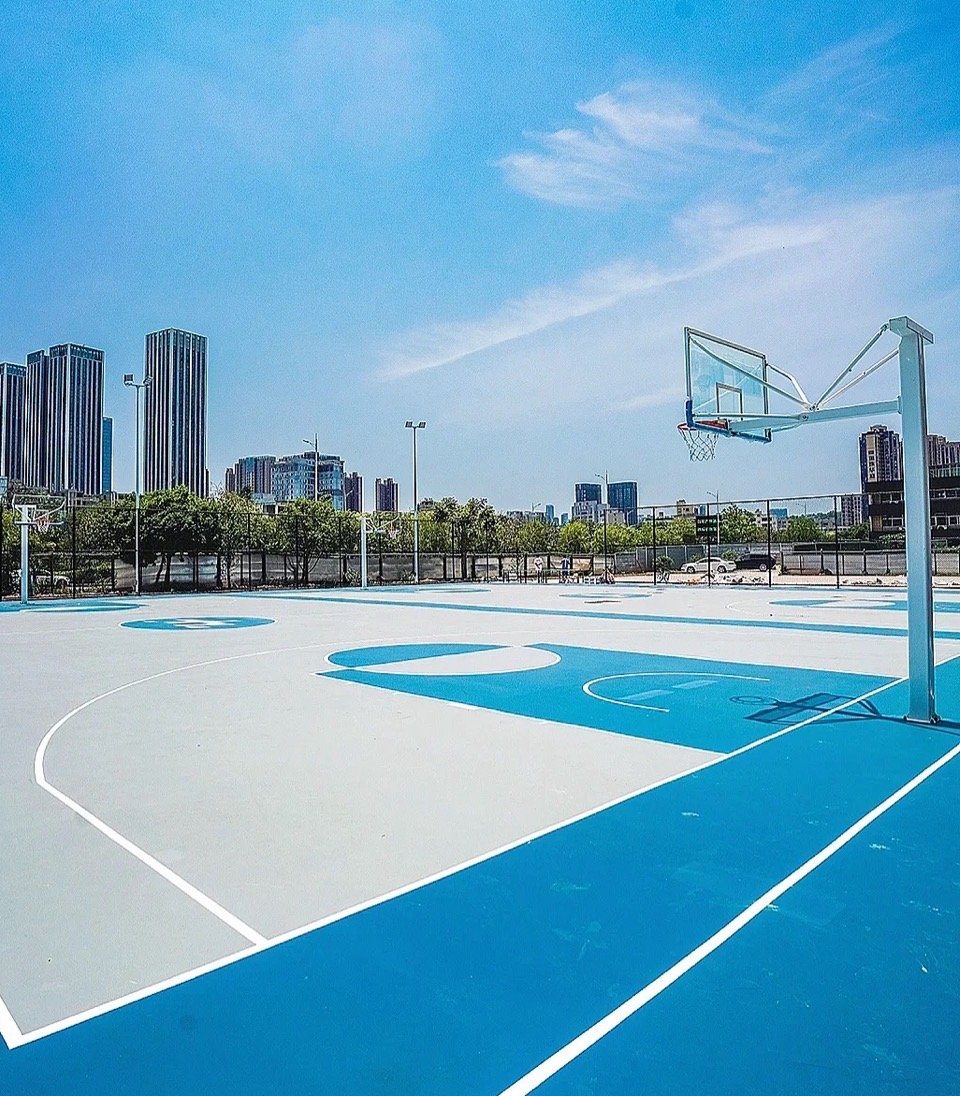
MUGA courts, basketball courts, tennis practice areas, and multi-sport zones. Recommended: 15–20mm polymer raised-grid tiles for drainage performance and dimensional stability. UV-stable colors with anti-slip surface texture. Polymer tiles outperform rubber in dimensional stability across extreme temperature ranges.
UV Stability Critical
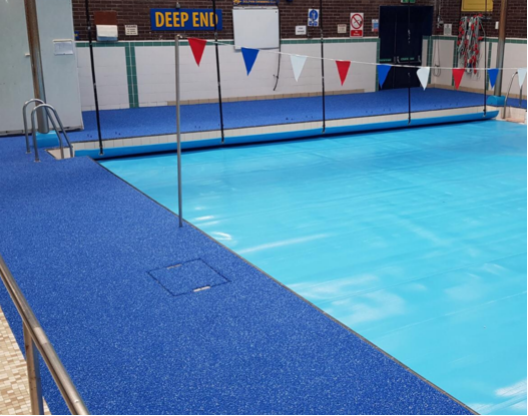
Pool decks, changing rooms, shower areas, and water play zones. Recommended: 10–15mm polymer drainage tiles — open-grid base design allows water to drain through rather than pool on the surface. Anti-slip surface texture critical. Ensure chemical resistance to pool water and cleaning agents.
Drainage Design Essential
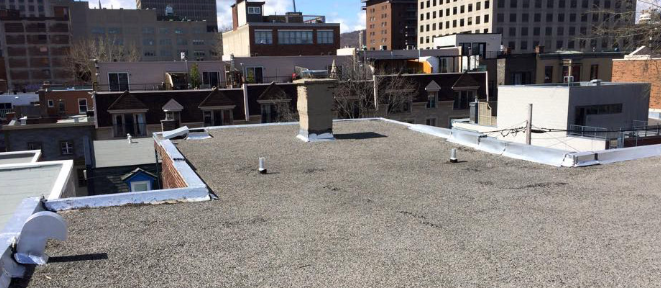
Hotel rooftops, residential terraces, and commercial amenity decks. Interlocking tiles are ideal for rooftop applications because they are lightweight, require no adhesive (protecting the waterproofing membrane), and can be lifted for membrane access. Recommended: 20–30mm polymer or EPDM tiles in architectural colors — check rooftop structural load capacity before specifying.
No Adhesive — Membrane Safe
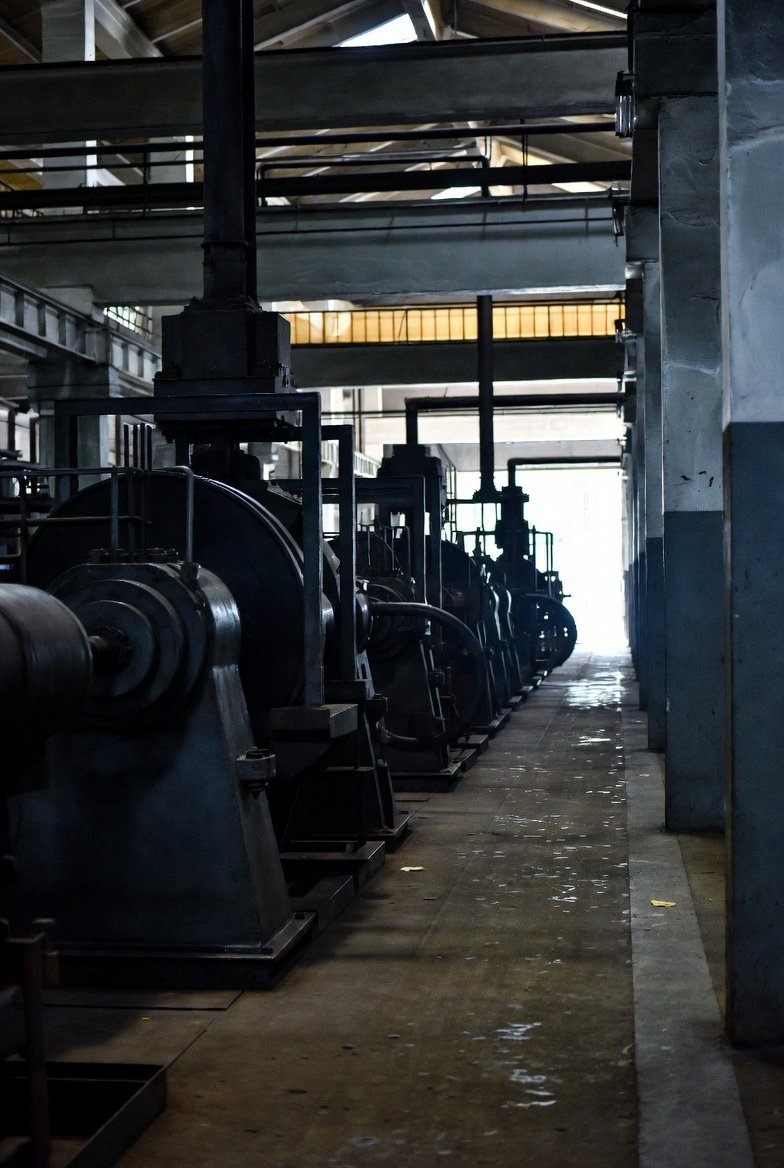
Workshop floors, garage surfaces, loading areas, and industrial facilities. Recommended: 20–40mm heavy-duty recycled rubber tiles with high static load capacity (1,500+ kg/m²). Anti-fatigue properties reduce worker fatigue on hard concrete substrates. Chemical resistance to oils and solvents important for workshop environments.
Heavy Load Capacity
5. Interlocking Tiles vs Poured Rubber: Which Is Better?
The choice between interlocking tiles and poured-in-place (wet-pour) rubber is one of the most common decisions in sports surface procurement. Here is the complete comparison:
| Factor | Interlocking Tiles | Poured Rubber (Wet-Pour) | Advantage |
|---|---|---|---|
| Installation | DIY possible — no tools, no curing time | Professional installer required — 24–72hr cure | ✅ Tiles — faster and simpler |
| Upfront Cost | Lower — material only, no contractor needed | Higher — material + installation labor | ✅ Tiles — lower initial investment |
| Surface Seamlessness | Visible tile joints | Completely seamless — no joints | ✅ Poured — better for playgrounds, hygiene |
| Repair & Replacement | Replace individual tiles — minutes | Patch repair required — specialist needed | ✅ Tiles — far easier maintenance |
| Reconfiguration | Fully reconfigurable — lift and relay | Permanent once installed | ✅ Tiles — layout flexibility |
| Color Design | Standard tile colors — limited patterns | Complex multi-color designs possible | ✅ Poured — better for creative designs |
| EN 1177 Compliance | Available in certified thicknesses | Widely certified — more options | 🤝 Both available |
| Substrate Requirement | Any flat, stable surface | Requires prepared, drained substrate | ✅ Tiles — more flexible substrate |
| Lifespan | 8–15 years | 10–20 years | ✅ Poured — longer lifespan |
| Temporary Use | ✅ Ideal — fully removable | Not suitable — permanent | ✅ Tiles — only viable option |
Choose interlocking tiles when: installation must be DIY or rapid; the surface needs to be reconfigurable or temporary; budget is limited upfront; or individual tile replacement is likely. Choose poured rubber when: a seamless surface is required (playground safety, hygiene); complex multi-color designs are specified; or maximum lifespan is the priority. For most gym, fitness, and outdoor court applications — interlocking tiles are the better practical choice.
6. Installation Guide: How to Install Interlocking Sports Flooring Tiles
One of the most significant advantages of interlocking tiles is the simplicity of installation. Most projects can be completed by two people without any specialist tools or training.
Interlocking tiles can be installed over concrete, asphalt, existing tile, or any firm, flat surface. The substrate must be: clean (sweep and wash), dry, flat (±5mm tolerance over 2m), and structurally sound. Fill any cracks or hollows in the substrate before installation — tiles conform to the substrate surface and will telegraph any unevenness. No adhesive or primer is required for standard installations.
Measure your space and plan the tile layout before opening any boxes. Start from the centre of the space and work outwards — this ensures cut tiles at the perimeter are equal on both sides. For rectangular rooms, find the centre point of both walls and snap chalk lines as your starting reference. Calculate your tile count: area (m²) ÷ tile size (m²) × 1.05 waste factor = tiles needed.
For most rooms, start from one corner and work in rows. For irregularly shaped spaces, start from the centre. Connect tiles by aligning the interlocking edges and pressing firmly until the connection clicks into place. For loop-and-tab systems, the connection should be firm but not require excessive force — if tiles are difficult to connect, check for debris in the connector channels.
Perimeter tiles that need to be trimmed to fit can be cut with a sharp utility knife (for rubber tiles up to 20mm) or an angle grinder with a cutting disc (for tiles above 20mm and polymer tiles). Mark the cut line with chalk and a straight edge. Always cut on the flat face side for the cleanest edge. Wear appropriate PPE — eye protection and gloves — when cutting rubber tiles.
Edge ramp strips create a bevelled transition from the tile surface to the surrounding floor, eliminating trip hazards at the perimeter. Install edge strips along all exposed tile edges using the same interlocking connection as the tiles. Corner pieces cover 90° transitions. If edge strips are not included in your order, request them separately — a tiled surface without edge ramps is both a trip hazard and a sign of an incomplete installation.
For outdoor installations, allow tiles to acclimatise at the installation site for 24–48 hours before laying, particularly in cold conditions. Rubber and polymer tiles expand and contract with temperature — tiles installed in cold conditions may develop gaps as they warm up if not acclimatised first. Leave a 3–5mm expansion gap around fixed perimeter walls and obstacles to allow for thermal movement.
7. Price Guide: How Much Do Interlocking Sports Flooring Tiles Cost? (2025)
Interlocking sports tile pricing varies by material, thickness, tile size, and order volume. The following ranges apply to standard products from Asian manufacturers on a FOB basis as of 2025.
| Product Type | Thickness | FOB Price (Asia) | Best Application |
|---|---|---|---|
| Recycled Rubber Tiles (SBR) | 10mm | $8–$12/m² | Light gym, cardio zones |
| Recycled Rubber Tiles (SBR) | 20mm | $12–$18/m² | Free weights, fitness |
| Recycled Rubber Tiles (SBR) | 40mm | $22–$32/m² | Olympic lifting, playground |
| EPDM Rubber Tiles (Virgin) | 20mm | $20–$30/m² | Playground, premium gym |
| EPDM Rubber Tiles (Virgin) | 40mm | $35–$50/m² | Playground (EN 1177) |
| Polymer Tiles (PP/PE grid) | 15mm | $5–$10/m² | Outdoor courts, pool surrounds |
| Polymer Tiles (PP/PE solid) | 20mm | $8–$15/m² | Sports courts, outdoor areas |
Interlocking tiles have a lower total installed cost than poured rubber systems in most cases — even though the material cost per m² may be similar. The saving comes from eliminating installation labor (contractor + binder + installation day rates). A 500m² gym floor in poured rubber might cost $25,000–$40,000 installed; the same area in interlocking rubber tiles could be $12,000–$20,000 in material cost with in-house installation.
8. How to Choose the Best Interlocking Sports Flooring Tile Supplier
The best interlocking sports flooring tile supplier delivers consistent product quality, accurate technical documentation, and reliable supply. Use this checklist to evaluate every supplier before committing to an order.
Request written confirmation of the tile material (recycled SBR, virgin EPDM, or PP/PE polymer content percentage). For any surface with child skin contact, require PAH test reports from an ISO/IEC 17025 accredited laboratory. For playground applications, require EN 1177 system certification showing Critical Fall Height for the specified tile thickness.
Request physical tile samples — at minimum one full tile per color and thickness. Test the interlocking connection for firm, consistent engagement. Check surface texture, color accuracy, and dimensional consistency. Flex the tile to assess hardness and elasticity. For outdoor applications, request UV stability test data (QUV test results) for each color.
Interlocking tiles must be dimensionally consistent to connect properly across large areas. Request a dimensional tolerance specification — acceptable tolerance for professional-grade tiles is ±0.5mm on tile dimensions and ±0.3mm on thickness. Ask whether tiles from different production batches can be mixed — poor manufacturers have inconsistent dimensions across batches, causing connection problems on site.
A complete interlocking tile system requires matching edge ramp strips and corner pieces. Confirm these are available from the same supplier in matching colors. Edge strips from different manufacturers rarely match the tile connector profile precisely — mismatched accessories create installation problems and aesthetic issues at the perimeter.
For ongoing or phased projects, confirm the supplier can provide tiles from the same production batch across multiple orders — or guarantee color and dimensional consistency across batches. This is critical for expansion projects where new tiles must match existing installed tiles. Ask specifically: “Can you guarantee batch-to-batch color consistency for reorders?”
A good supplier provides: installation guidance specific to your substrate and application; thickness recommendation based on your use case and load requirements; quantity calculation assistance; and post-installation support for any connection or fitting issues. Suppliers who only communicate price and delivery terms — with no technical input — are unlikely to support you effectively if installation problems arise.
9. Maintenance & Lifespan
One of the most practical advantages of interlocking tiles over poured rubber is the simplicity of maintenance. There is no binder to degrade, no seamless surface to crack — and any damaged tile can be replaced individually in minutes.
| Application | Expected Lifespan | Main Wear Factor | Key Maintenance Action |
|---|---|---|---|
| Commercial Gym (heavy use) | 8–12 years | Mechanical abrasion, dropped weights | Replace high-wear tiles under equipment annually |
| Playground (outdoor) | 8–15 years | UV degradation + foot traffic | EN 1177 re-test every 3–5 years |
| Outdoor Sports Court | 10–15 years | UV + thermal cycling | Annual inspection, replace cracked/lifted tiles |
| Pool Surround | 10–18 years | Chemical exposure + UV | pH-neutral cleaning only, rinse regularly |
| Rooftop Terrace | 10–15 years | UV + temperature extremes | Check expansion gaps annually — re-space if closed |
| Indoor Gym | 12–20 years | Mechanical abrasion only | Vacuum regularly, check connections annually |
Unlike poured rubber surfaces — where a single damaged zone requires patching the entire affected area — interlocking tiles allow individual tile replacement in under 5 minutes. Keep a small stock of spare tiles (5% of the installed quantity) for rapid repairs. The ability to replace a single damaged tile without disrupting the surrounding surface significantly extends the effective lifecycle of an interlocking floor installation.
10. Frequently Asked Questions
Summary: Key Takeaways for Interlocking Sports Flooring Tile Buyers
Choosing the best interlocking sports flooring tiles is a systematic process — material type, thickness, certification, and supplier reliability all determine whether your installation performs for 8 years or 18 years.
Our Premium Interlocking Sports Flooring Tiles are engineered for gym, playground, and outdoor court applications — with excellent shock absorption, anti-slip surface, UV resistance, and easy DIY interlocking installation. Available in multiple colors and thicknesses with full certification documentation.
Pillar Article · Focus keyword: best interlocking sports flooring tiles
Ready to Source Interlocking Sports Flooring Tiles?
We supply premium interlocking sports flooring tiles for gym, playground, and outdoor court applications. Multiple materials, colors, and thicknesses available. Free physical samples and full certification documentation on request.