

School athletic programs rely on tracks that stay consistent under daily training, PE classes and weekend competitions. Yet many facilities still select surfaces based mainly on the lowest bid. The result is often premature wear, higher injury risk and unexpected budget overruns. Focusing on long-lasting school track surfaces built with high-performance materials changes the entire equation—delivering better athlete protection, stable performance and lower lifetime costs.
Why School Tracks Lose Performance Faster Than Expected
Daily multi-user traffic creates unique stresses that pure competition venues rarely face. Students of different ages and abilities, frequent sharp turns during PE drills, and limited maintenance windows all accelerate surface degradation. The most common performance killers include:
- Inadequate shock absorption consistency – Soft or hard zones appear when particle quality varies, increasing shin-splint and joint complaints.
- UV and weather degradation – Surfaces that lose elasticity or colour quickly become less inviting and harder to maintain.
- Binder failure and granule loss – Poor adhesion leads to loose particles that affect traction and create bare spots.
- Base movement or moisture issues – Even good top layers fail early if the foundation is not properly prepared or drained.
- Overlooked total cost of ownership – Cheap initial materials often force resurfacing or major repairs years earlier than planned.
Key Advantages of High-Performance EPDM Athletic Track Systems
Modern school track surfaces that use carefully engineered virgin EPDM granules combined with quality polyurethane binders deliver measurable benefits across safety, appearance and longevity. These systems are designed specifically for high-frequency educational use rather than occasional competition only.
- Stable force reduction that supports growing athletes and reduces repetitive-impact stress
- Superior colour stability under strong sunlight and repeated wet-dry cycles
- Uniform surface texture that coaches and students can rely on for consistent foot plant and traction
- Strong chemical bonding that minimises loose granules and extends clean appearance
- Service intervals that commonly reach 8–12 years with routine care
Material Comparison for School Athletic Tracks
| Evaluation Criteria | Economy / Mixed-Content Surfaces | High-Performance EPDM Systems |
|---|---|---|
| Expected service life | 3–6 years under heavy school use | 8–12+ years with proper care |
| Shock absorption consistency | Variable zones common | Uniform across entire track |
| Colour and surface integrity | Fades and sheds relatively early | Retains appearance longer |
| Maintenance demand | Frequent patching required | Mostly routine cleaning |
| Athlete comfort & safety feedback | Higher joint and shin complaints | More positive training reports |
| Lifecycle cost per year | Often higher after year 4 | Lower overall ownership cost |
Real-world school projects consistently show that the higher initial investment in quality materials is recovered through extended intervals between major interventions and fewer disruptions to the athletic calendar.
How Schools Should Specify Durable Track Surfaces
Writing “EPDM track” in a tender is rarely enough. Clear technical language protects the school from substituted materials and incomplete systems. Recommended requirements include:
- Wear-layer composition: 100% virgin EPDM granules in the top layer; recycled content restricted or prohibited
- Particle size control: Tight 1–3 mm distribution with documented sieve analysis
- Pigment quality: UV-stable inorganic pigments suitable for outdoor athletic use
- Binder system: Moisture-curing polyurethane formulated for sports surfaces
- Minimum thickness: 13 mm wear layer for standard school multi-use tracks
- Third-party documentation: Recent tests for heavy metals, PAH, REACH compliance and weather resistance
Recommended Performance Targets for School Tracks
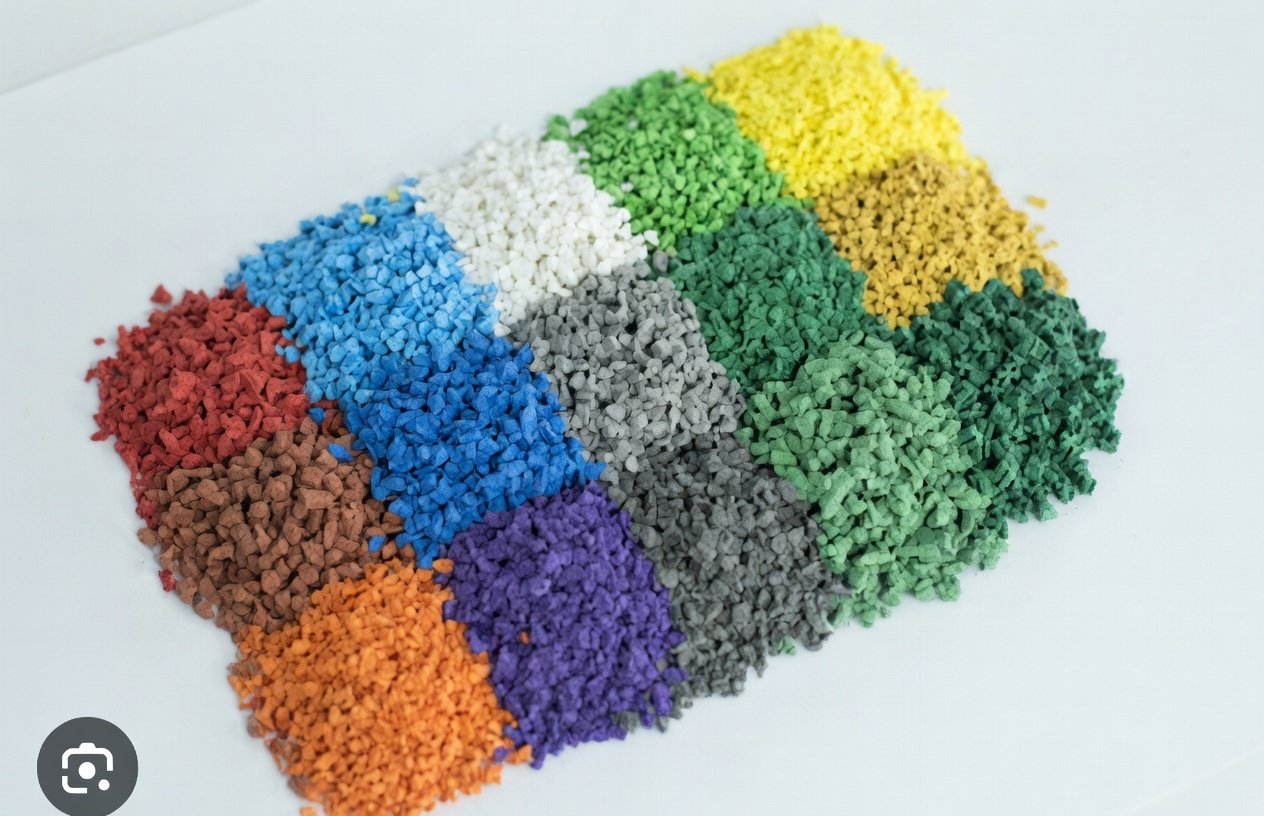
Ideal granule size range for athletic wear layers
Minimum recommended wear-layer thickness
Realistic service life target with quality materials
These parameters have proven effective across varied climates—from high-UV coastal regions to areas with freeze-thaw cycles. Pairing the correct surface system with proper base preparation and drainage remains essential for achieving the full expected lifespan.
Looking Beyond the Initial Bid: Lifecycle Cost Thinking
The lowest construction quote rarely equals the lowest long-term cost. Economy surfaces may reduce the first invoice by 15–30%, yet they frequently generate additional expenses for patch repairs, partial resurfacing, higher cleaning effort and earlier full replacement. When athlete comfort, injury-related downtime and programme continuity are also considered, the financial and operational advantages of long-lasting school track surfaces become clear.
Schools that adopted higher-specification EPDM systems commonly report the same pattern: the surface stays more uniform, colour holds longer, coaches notice fewer complaints about hard or soft spots, and unplanned maintenance drops sharply. Most facilities managers conclude that specifying durable materials from day one would have been the more economical decision.
Building Tracks That Serve Students for Years
Choosing materials for a school track is ultimately a decision about student safety, programme reliability and responsible use of public or institutional funds. Surfaces engineered for high-frequency educational use—built with consistent virgin EPDM granules, quality binders and correct installation—deliver the performance, appearance and longevity that schools actually need.
By focusing on long-lasting school track surfaces rather than the lowest initial price, decision-makers protect both athletes and budgets. Requesting samples, reviewing technical documentation and comparing lifecycle projections remain the most practical steps toward a successful project.
Technical guidance, current specifications and evaluation samples are available through specialist manufacturers. Start the conversation at jflysports.com/contact-us.
Evaluate High-Performance EPDM Track Materials
We supply 100% virgin coloured EPDM granules in athletic colours and controlled size ranges. Evaluation sample packs with technical data sheets ship within five working days. No minimum quantity for assessment samples.