

Procurement & Field Guide • March 2026
Choosing Safe EPDM & TPV Rubber Surfaces for Playgrounds in 2026
After helping dozens of schools and municipalities select materials, I’ve seen the same costly mistakes repeated. This guide shares what actually matters when choosing rubber granules under today’s strict safety standards.
JoyJiang
Senior Field Restoration & Materials Engineer, JFLYSPORTS • 12 years specifying rubber surfaces for playgrounds and athletic facilities
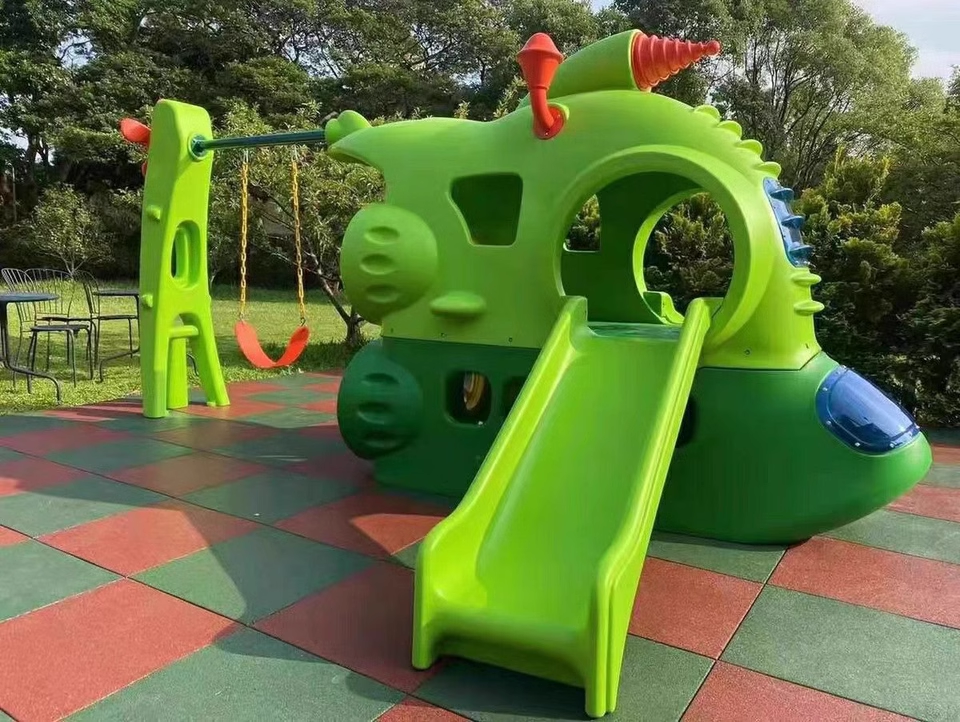
In 2026, choosing the right rubber surface for playgrounds and sports areas has become much more complex. The European Chemicals Agency (ECHA) and other international bodies have tightened rules on microplastics, PAHs, and other substances. At the same time, many projects still suffer from early degradation — surfaces that look good on day one but start cracking, chalking, or shedding granules within 2–3 years.
Over the past few years, I’ve worked on material selection for more than 50 playground and athletic projects across different climates. The biggest lesson? The cheapest quote almost always ends up being the most expensive in the long run.
1. Different Spaces Need Different Materials
Not all rubber surfaces are the same. The right choice depends heavily on how the area will be used and the local climate.
For Kindergartens and Early Childhood Play Areas
Children have much more direct skin contact and spend longer periods on the surface. The priority here is extremely low VOC emissions and verified absence of harmful substances. We look for high-purity EPDM with minimal fillers. These materials tend to stay flexible longer and are gentler on young skin.
For High-Performance Athletic Tracks and Multi-Sport Venues
Energy return (rebound) and long-term durability under heavy use become critical. In these cases, TPV often performs better than standard EPDM because of its superior UV resistance and ability to maintain elasticity over many years of sun exposure and temperature changes.
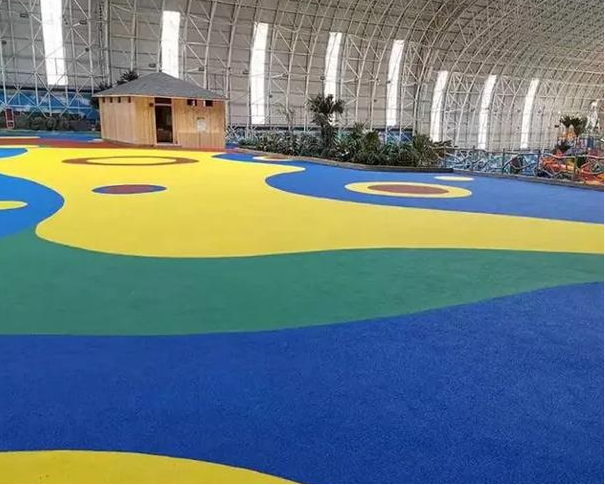
2. What Really Matters in 2026 Specifications
Most procurement teams focus only on price and Shore A hardness. In reality, these are not the best predictors of long-term success. Here’s what experienced teams now pay attention to:
- Polymer Purity & Filler Content: Low-quality granules often contain high amounts of calcium carbonate. This filler leaches out under UV exposure, causing chalking and binder failure.
- UV and Weather Resistance: Ask for real Xenon-Arc test reports (minimum 2000 hours). Materials that perform well in lab tests usually last significantly longer in the field.
- Binder Compatibility: The best granule is useless if it doesn’t bond well with the polyurethane binder. We always recommend testing adhesion before full-scale installation.
- Total Cost of Ownership (TCO): A slightly more expensive material that lasts 10–12 years is almost always cheaper than one that needs replacement or major repairs in 3–5 years.
3. Practical Lessons from Real Projects
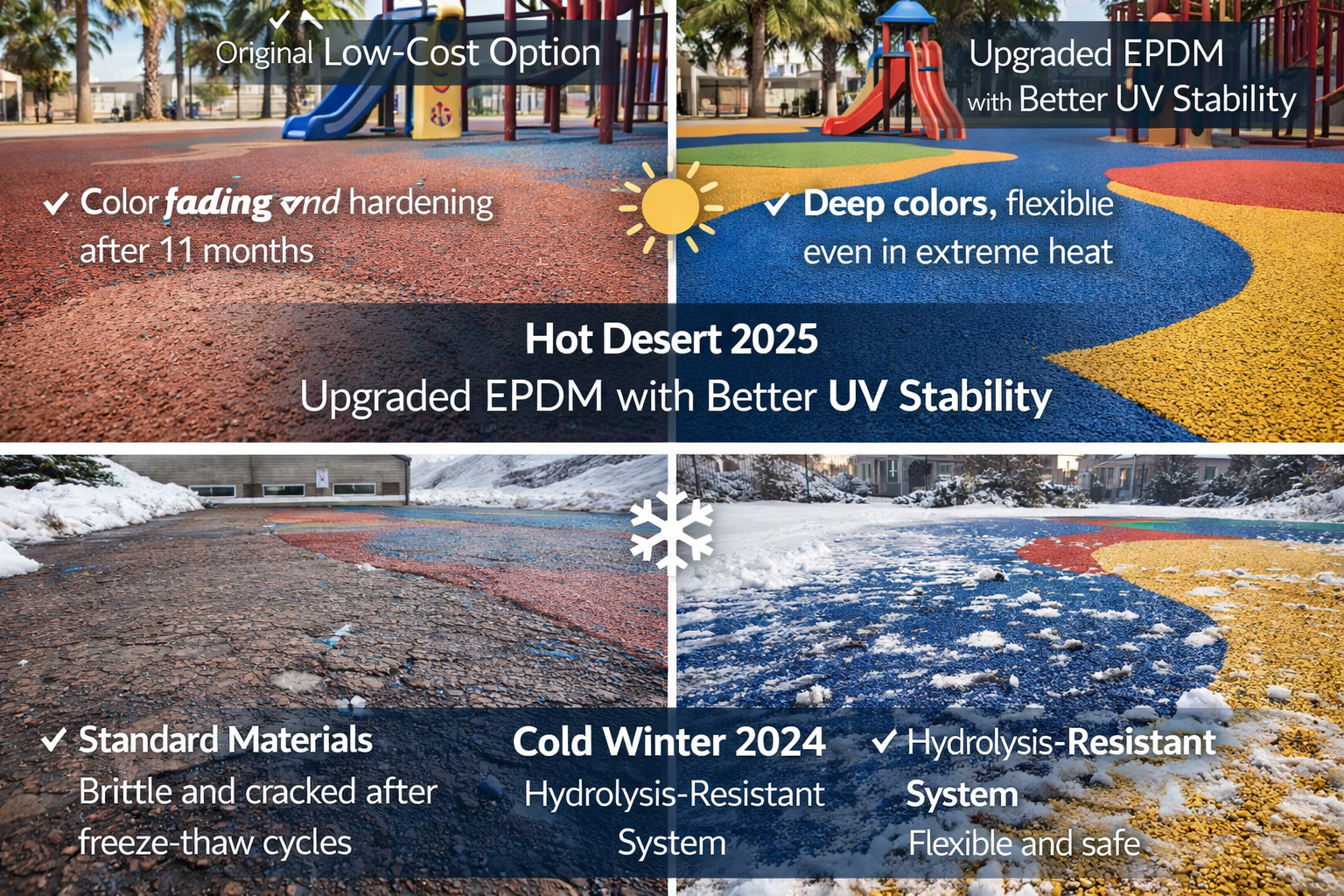
In 2025, we helped a large international school in a hot desert climate select materials for a new playground. The original low-cost option started showing color fading and surface hardening after just 11 months. After switching to higher-purity EPDM with better UV stabilization, the second installation has performed excellently even under extreme heat.
Another project in a northern city with cold winters taught us the importance of hydrolysis-resistant binders. Standard materials became brittle after repeated freeze-thaw cycles, while the properly specified system remained flexible and safe.
4. Questions I’m Often Asked
Q: Should we always choose the lowest price?
No. In almost every case I’ve seen, lowest-bidder surfaces required early repairs or full replacement, ultimately costing more.
Q: Is TPV always better than EPDM?
Not always. EPDM is still excellent for many standard playgrounds and offers good shock absorption at a reasonable cost. TPV usually performs better in high-UV or high-traffic athletic applications where color retention and longevity are critical.
Q: How do we verify real compliance?
Always request third-party laboratory reports (not just supplier declarations). For sensitive projects, we recommend independent testing of the delivered material before installation.
Final Thoughts
Choosing rubber surfaces in 2026 is no longer just about color and price. It’s about selecting materials that will stay safe, flexible, and attractive for the full expected lifespan of the project. Taking time to understand the real differences between options saves money and prevents safety issues down the road.
If you’re currently planning a playground, athletic track, or rubber surface project and would like an honest second opinion on material choices, feel free to reach out. Send us your project details and I’ll be happy to share practical recommendations based on similar projects we’ve completed.
Li Wei
Senior Materials & Field Engineer
JFLYSPORTS Technical Team