

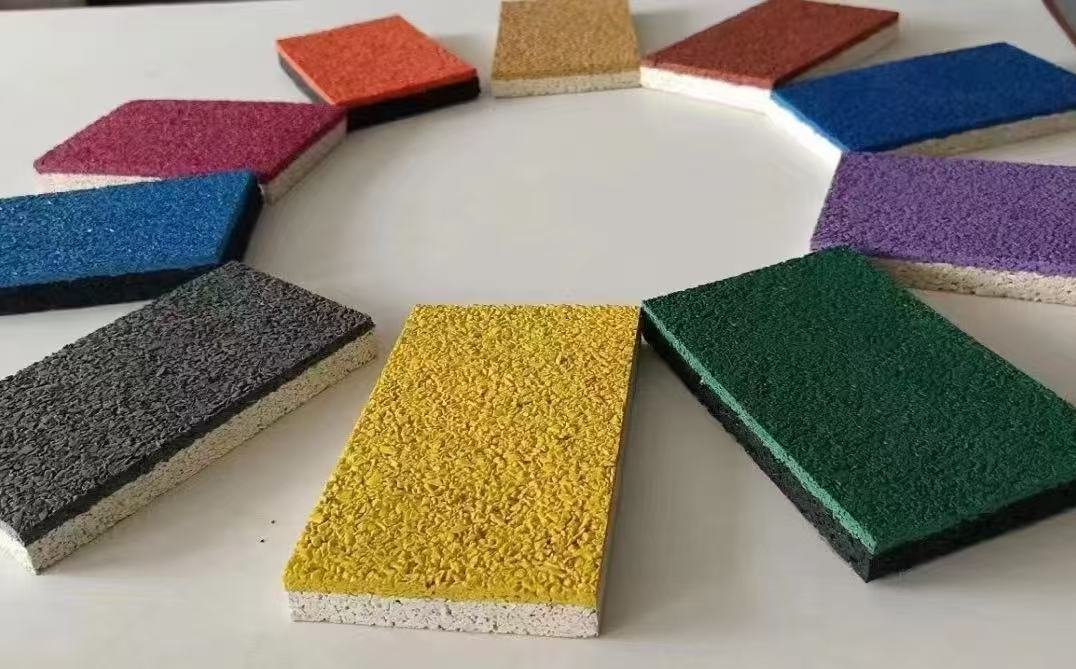
When planning an outdoor flooring project—whether it is a playground, a sports facility, or a public space—the surface material plays a much bigger role than many people expect. Durability, safety, climate resistance, and long-term maintenance costs all depend heavily on that choice.
This is where EPDM granules stand out.
Used worldwide in professional flooring systems, EPDM granules offer a reliable balance between performance, safety, and design flexibility. In this guide, we explain what EPDM granules are, how they perform in real-world conditions, and why they are widely used in international projects.
What Are EPDM Granules?
EPDM granules are rubber particles made from Ethylene Propylene Diene Monomer (EPDM), a synthetic rubber specifically engineered for outdoor use.
Instead of being recycled from old tires, EPDM granules are produced as virgin rubber material, which gives them more consistent physical properties and better long-term stability. They are commonly mixed with polyurethane binders and applied as seamless rubber surfaces.
Typical application areas include:
-
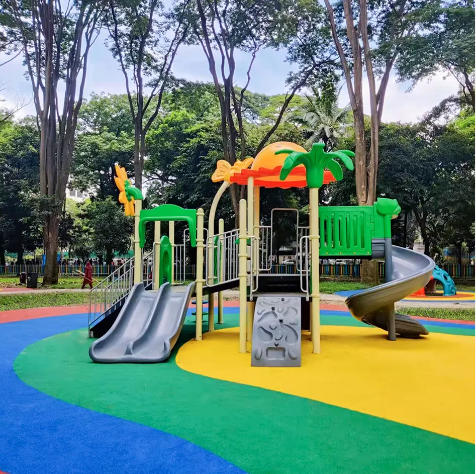
Playground safety flooring
-
Athletic tracks and sports courts
-
Outdoor fitness zones
-
Public walkways and decorative landscapes
Because EPDM rubber was originally developed for weather-resistant applications, it naturally performs well in environments exposed to sun, rain, and temperature changes.
Why EPDM Granules Perform So Well Outdoors
Outdoor flooring systems face constant stress. UV radiation, seasonal temperature swings, moisture, and daily foot traffic all contribute to surface degradation over time.
EPDM granules are designed to handle these conditions without losing performance.
Temperature Stability
One of the most important advantages of EPDM granules is their low-temperature flexibility. Even at temperatures as low as -40°C, EPDM rubber remains elastic rather than becoming brittle.
This makes it suitable not only for warm regions, but also for cold-climate installations where other rubber materials may crack or harden during winter.
Resistance to UV and Weathering
Prolonged sun exposure causes many rubber surfaces to fade, chalk, or break down. EPDM rubber has a strong molecular structure that resists UV degradation, helping surfaces maintain both appearance and performance for many years.
As a result, EPDM flooring is widely used in regions with:
-
Strong sunlight
-
High temperature variation
-
Frequent rainfall or humidity
Safety and Comfort Benefits
Safety is a top priority in public and sports flooring applications, especially in playgrounds.
EPDM granules contribute to safety in several ways:
-
High slip resistance, even in wet conditions
-
Shock absorption, reducing impact force from falls
-
Surface resilience, providing comfort underfoot
When installed correctly, EPDM flooring systems can meet strict fall-height and impact-attenuation requirements, making them suitable for areas used by children and athletes alike.
Design Flexibility and Color Stability
Another major reason EPDM granules are favored by designers is their visual flexibility.
Unlike recycled rubber, EPDM granules are available in a wide range of colors and particle sizes. Pigments are added during manufacturing, not coated on the surface, which ensures long-term color stability.
This allows project designers to:
-
Create custom patterns and logos
-
Divide zones using color coding
-
Match architectural or branding requirements
Even after years of outdoor exposure, high-quality EPDM surfaces retain their original appearance with minimal fading.
EPDM Granules vs. SBR Granules: A Practical Comparison
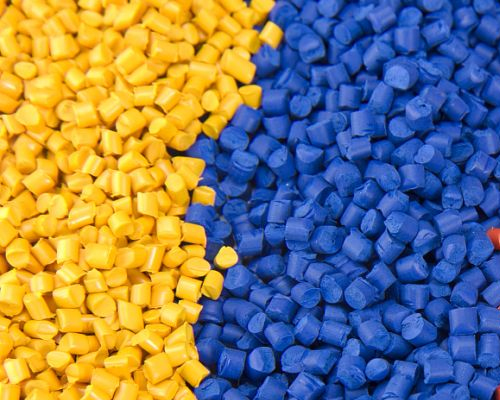
In many rubber flooring systems, EPDM granules are compared with SBR granules. While both are rubber materials, their performance characteristics differ significantly.
SBR granules are typically produced from recycled tires and are often used as base layers due to their lower cost. However, for exposed top surfaces, EPDM granules offer clear advantages.
In practice:
-
EPDM granules provide better UV resistance
-
EPDM surfaces have no unpleasant rubber odor
-
EPDM offers far more color options
-
EPDM delivers longer outdoor service life
For this reason, many professional flooring systems combine SBR as the base layer and EPDM as the wear layer, achieving both cost efficiency and high performance.
Installation Considerations That Matter
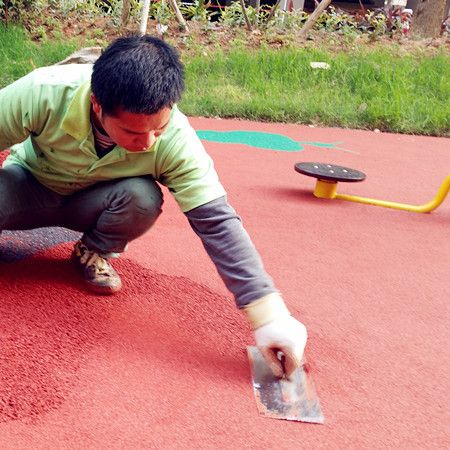
Even the best materials require proper installation to deliver expected results.
EPDM granules are usually mixed with polyurethane binders and applied onto prepared concrete or asphalt bases. Uniform mixing, correct binder ratios, and controlled curing conditions are essential.
Cold-Weather Installation
Although EPDM rubber performs well in winter conditions, installation should still follow best practices:
-
Avoid applying during extreme cold or freezing temperatures
-
Store binders in temperature-controlled environments
-
Schedule work during warmer daytime hours
These steps ensure proper bonding and long-term surface stability.
Compliance With International Standards
For public infrastructure and playground projects, regulatory compliance is often mandatory.
High-quality EPDM granules are commonly tested and certified according to standards such as:
-
EN 1177 for playground impact protection
-
ASTM F1292 for shock absorption
-
EN 71-3 for material safety
-
REACH and RoHS for environmental compliance
Using certified materials simplifies approval processes and reduces project risk.
Why EPDM Granules Are Widely Used in International Projects
From a procurement perspective, EPDM granules offer several advantages for international buyers:
-
Consistent quality across production batches
-
Customizable specifications for OEM projects
-
Reliable long-term supply
-
Compatibility with global installation systems
These factors make EPDM granules a dependable choice for contractors, developers, and distributors involved in large-scale or cross-border projects.
Frequently Asked Questions
Are EPDM granules safe for playground use?
Yes. When produced and installed according to standards, EPDM granules are non-toxic, odorless, and suitable for children’s play areas.
Can EPDM granules handle extreme weather?
Yes. EPDM rubber remains flexible in cold climates and resists UV degradation in hot environments.
How long does an EPDM rubber surface last?
With proper installation and routine maintenance, EPDM flooring systems typically offer a service life of 10 years or more.
Can EPDM granules be customized for specific projects?
Yes. Color, particle size, and formulation can be adjusted to meet project-specific requirements.
Final Thoughts
EPDM granules are more than just a surface material—they are a long-term solution for outdoor flooring systems that demand safety, durability, and design freedom.
For international buyers and project owners seeking reliable performance across diverse climates, EPDM granules continue to be one of the most trusted choices in modern rubber flooring applications.
About the Supplier
Manufactured by a professional rubber materials supplier with over a decade of experience in EPDM flooring solutions, serving clients across the Middle East, Southeast Asia, Africa, and Europe. OEM and bulk supply options are available.