

When temperatures drop and winter conditions become harsh, choosing the right outdoor flooring material is critical. EPDM rubber granules (Ethylene Propylene Diene Monomer) are widely recognized for their excellent low-temperature performance, durability, and safety, making them an ideal solution for outdoor surfaces in cold and variable climates.
Thanks to their ability to maintain elasticity even at -40°C, EPDM granules remain flexible, slip-resistant, and impact-absorbing throughout winter, ensuring long-term performance for public facilities and sports environments.
Why EPDM Granules Excel in Winter Conditions
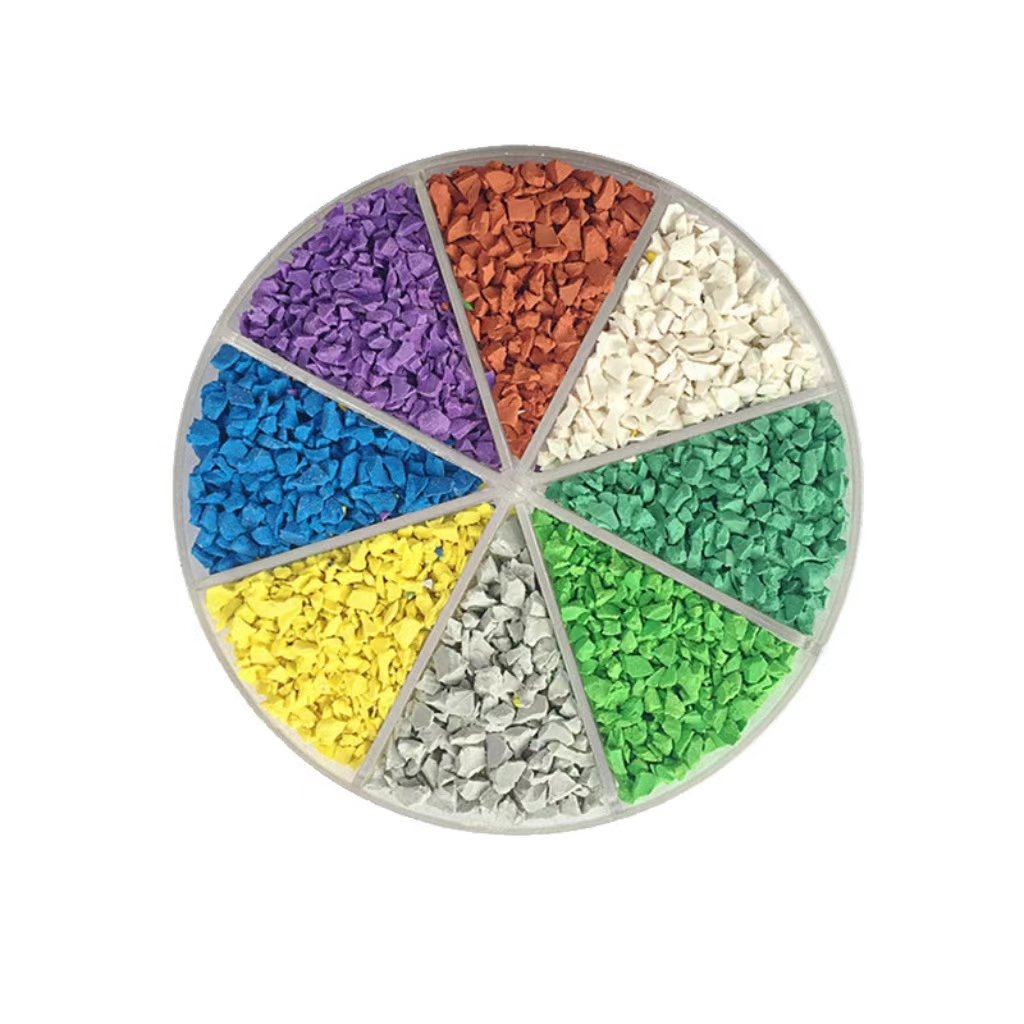
Exceptional Low-Temperature Resistance
Unlike ordinary plastic or rubber materials that become brittle in cold weather, EPDM granules resist low-temperature embrittlement. Even under snow and ice coverage, the surface does not crack or harden, maintaining a surface friction coefficient above 0.6, which significantly reduces slipping risks.
Anti-Slip and Shock-Absorbing Performance
Winter safety is a top priority. EPDM flooring systems absorb up to 60% of impact force, helping protect joints and reduce injuries caused by falls. The elastic structure ensures reliable grip even in wet, icy, or snowy conditions.
UV Resistance and Anti-Aging Stability
EPDM granules are designed to withstand ultraviolet exposure and harsh weather. Even after winter sun exposure, the surface color remains stable without fading, chalking, or powdering—ensuring both performance and aesthetics over time.
Eco-Friendly and Low Maintenance
EPDM granules are non-toxic and environmentally safe, complying with GB 36246-2025 standards. Once installed, they require minimal maintenance, resulting in low lifecycle costs—especially important for winter applications where repairs are difficult.
Typical Winter Application Scenarios
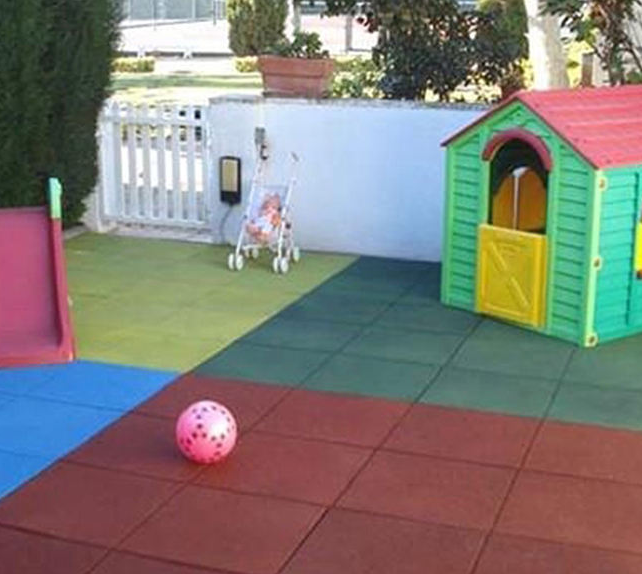
Kindergarten and School Playgrounds
EPDM surfaces provide reliable cushioning and anti-slip protection for children during winter. Excellent drainage ensures that rain or melting snow does not create puddles, while the elastic layer helps protect developing joints.
Park Walkways and Fitness Trails
Highly wear-resistant and slip-resistant, EPDM paths support high daily foot traffic. The embedded structure can reduce surface temperature by up to 10°C, making it more comfortable for elderly users during morning exercise, even in colder climates.
Community Basketball Courts and Running Tracks
With vertical deformation of 4–12 mm, EPDM sports surfaces reduce sports-related injuries by up to 52%. Even in cold weather, they continue to support professional-level training and recreational activities without performance loss.
Parking Lot Surfaces
EPDM flooring systems can withstand heavy loads without cracking. In winter, they resist water accumulation and maintain a surface hardness of approximately Shore A 65, ensuring durability and long service life.
Winter Installation & Usage Recommendations
-
Installation Timing:
For best results, install EPDM flooring when ambient temperatures are above 5°C, preferably during midday. Ensure the base layer is completely dry to avoid adhesion issues caused by nighttime low temperatures. -
Routine Maintenance:
Regular removal of snow and meltwater can extend the service life to 8–10 years, significantly longer than conventional plastic flooring materials. -
Enhanced Surface Protection:
Combining EPDM granules with a polyurea topcoat improves stain resistance and durability, making it suitable for regions with large temperature fluctuations, such as Taipei and other coastal or subtropical cities.
A Reliable Outdoor Flooring Choice for Cold Climates
Whether for schools, parks, sports facilities, or public infrastructure, EPDM rubber granules deliver consistent performance throughout winter. Their balance of safety, durability, and environmental compliance makes them a trusted choice for projects in cold and variable climates worldwide.
If you are looking for a long-lasting, winter-ready outdoor surface solution, EPDM granules are a proven and cost-effective investment.